Earth & Atmosphere

Articles

Hothouse Earth

Hothouse Earth. A very unsafe operating space for human beings — indeed, totally uninhabitable. As Earth warms, at an increasing pace, invisible points of no return transgressed, that’s where we may be heading. The GPM speaks with the co-author of a recent report, and listens back to a conversation with a pioneer in Earth systems science, Will Steffen.


Spider Microbiomes

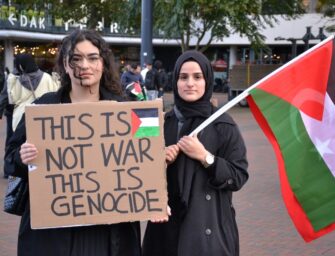
Microbes inside spiders reveal Canadian river pollution. The GPM speaks with ecotoxicologist Karen Kidd. And, relentless Israeli genocide, apartheid, land theft, and ethnic cleansing. The GPM speaks with the Fathi Nimer, Palestine Policy Fellow of Al-Shabaka, the Palestine Policy Network.


Paradise Lost

Sustainable development and a stable climate – these are human rights. The GPM speaks with Bonny Ibhawoh, Chair of the UN Expert Mechanism on the Right to Development. And, the Chagossian people have a right to return to their ancestral homeland, in the middle of the Indian Ocean. Big problem: the UK and US have turned it into a huge military base — launch pad for US wars around the planet. The GPM speaks with author David Vine about the plight and human rights struggle of the Chagossian people.


Cold as ICE

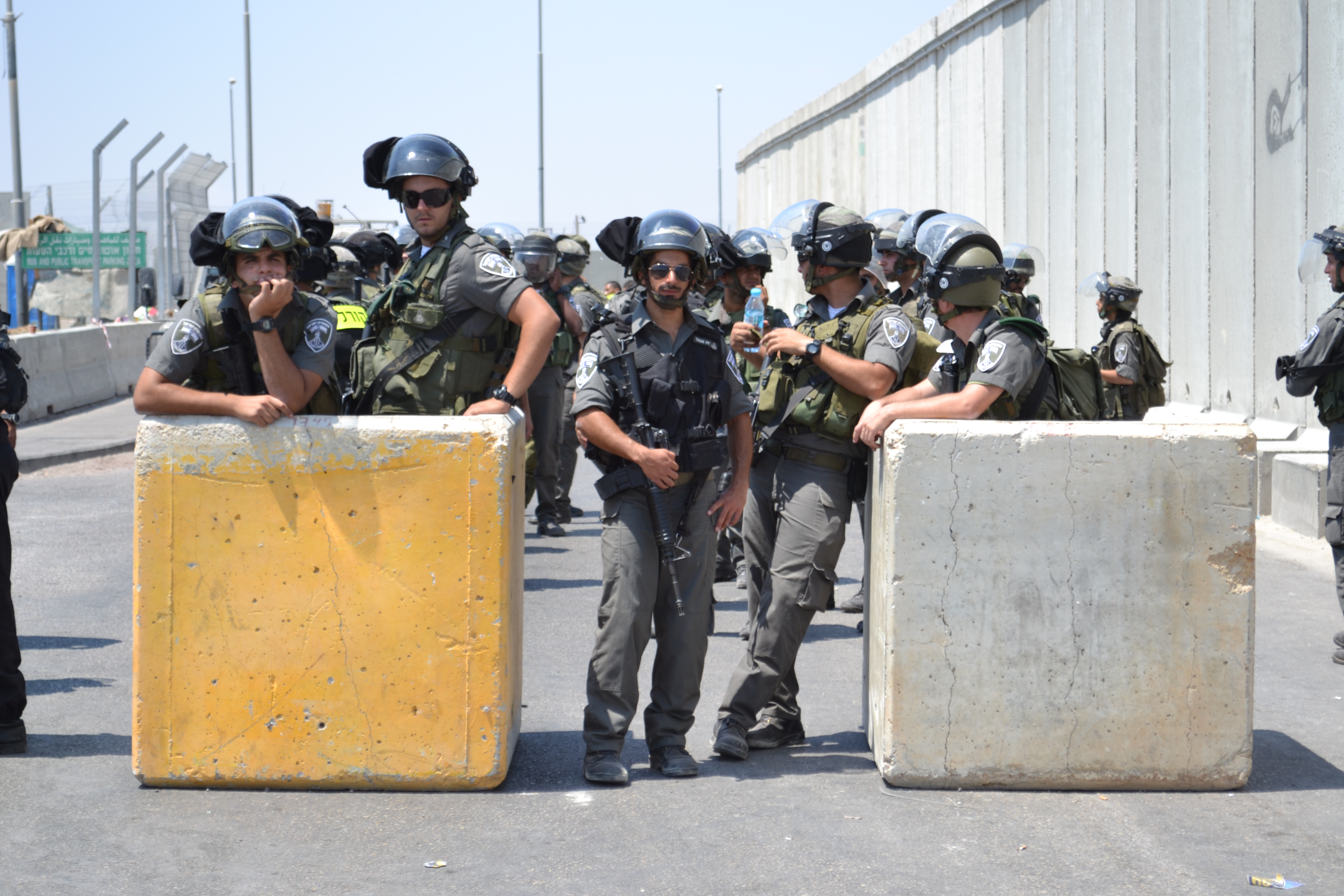
They’re as cold as ICE. As US-backed Israeli forces terrorize Gaza, reducing the long-besieged enclave to rubble, smashing its people to bits, Donald Trump’s masked, plain-clothed, paramilitary militia terrorize black, brown and Latino communities coast to coast. The GPM speaks with antiwar/justice group CODEPINK. And, two dozen Canadian Senators call for a comprehensive arms embargo on Israel. We speak with one of them.


Island of Hope in a Sea of Oppression

In brutalized Palestine — an oasis of liberation and hope. The GPM speaks with Mazin Qumsiyeh, founder/director of the Palestine Institute for Biodiversity & Sustainability. And, fainter hope – that Western leaders will bring depraved Israeli crimes to a halt. Look to Europe, not Israel’s conjoined twin, Israel-USA. Europe is where the Zionist mess began. So says Israeli historian Ilan Pappe.


Planet in Polycrisis

Self-amplifying cascades on planet Earth – some negative, some positive. A conversation with complexity theorist Thomas Homer-Dixon. And, Earth systems can tip, cascading off in dangerous directions. Some already are. A conversation with one of the authors of an international report on Earth tipping points.


Inspired by Hind Rajab

A year after the brutal murder of 6-year-old Hind Rajab, trapped in a bullet-ridden car in the ruins of Gaza City, a Belgian-based foundation hunts down Israeli war criminals in the little girl’s name. And, in the heart of Israeli apartheid darkness, a Palestinian biodiversity group rescues native Palestinian flora and fauna from settler-colonial eco-vandalism.


Earth Heat, Salty Seas

The heat beneath: harvesting and recharging Earth subsurface heat, to heat and cool buildings, without heating Earth’s atmosphere. And, the wind blows, the sun shines … rivers flow. Wherever they flow into salty seas, power can be generated – just like that. A special GPM edition about geothermal, geoexchange and salinity gradient energy.


Corruption, Crimes & Incompetence

In the wake of Bashar al-Assad’s downfall at the hands of a small army of jihadist rebels — no doubt aided and abetted by the US and Israel (aka Israel-USA) — the GPM speaks with Columbia University Professor Jeffrey Sachs. From events in Syria, our conversation turns to the non-existent rule of law, prospects for Palestine once Donald Trump moves into the White House, and the nature of competent leadership.


Microbe Magic

Fermented foods — very nutritious, very magic. The GPM speaks with a microbe magician. Taking stock of biological diversity, using DNA barcodes. The GPM speaks with several DNA barcoders. And, a frightening vision of a warming planet: Hothouse Earth. A conversation with Earth systems pioneer, Will Steffen.


Genetic Gold Mine

The wheat genome — much larger than the human genome, and packed with lost alleles for resilient wheat in a warming world. Plant researchers in the UK and China united to sequence the source code of long lost wheat varieties. And, at the International Court of Justice in The Hague, Israel’s never-ending occupation of Palestine has been declared illegal. The GPM speaks about the ruling with former UN Special Rapporteur Michael Lynk.


Apes on Steroids

The Great Acceleration: Earth systems commandeered by permanent human growth economics, fueled by coal, oil and gas. A quarter of the planet’s core energy base — natural primary productivity — appropriated for human food, fiber and fuel production. The GPM speaks about human socioeconomic metabolism and appropriation of net primary production with Vienna University ecologist Fridolin Krausmann. And, about the mid-20th century Great Acceleration with Georgetown University historian John McNeill.


Tipping Points

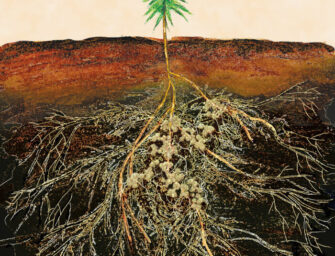
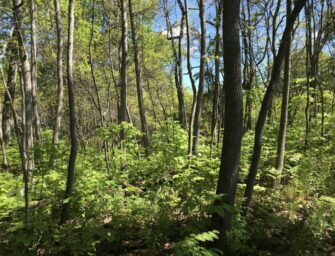
In the heart of one of Canada’s biggest cities, paradise. Below a city dweller’s feet, a pulsating, living network. All around us on this living planet, the clear and present danger of sliding into oblivion.


Land & People

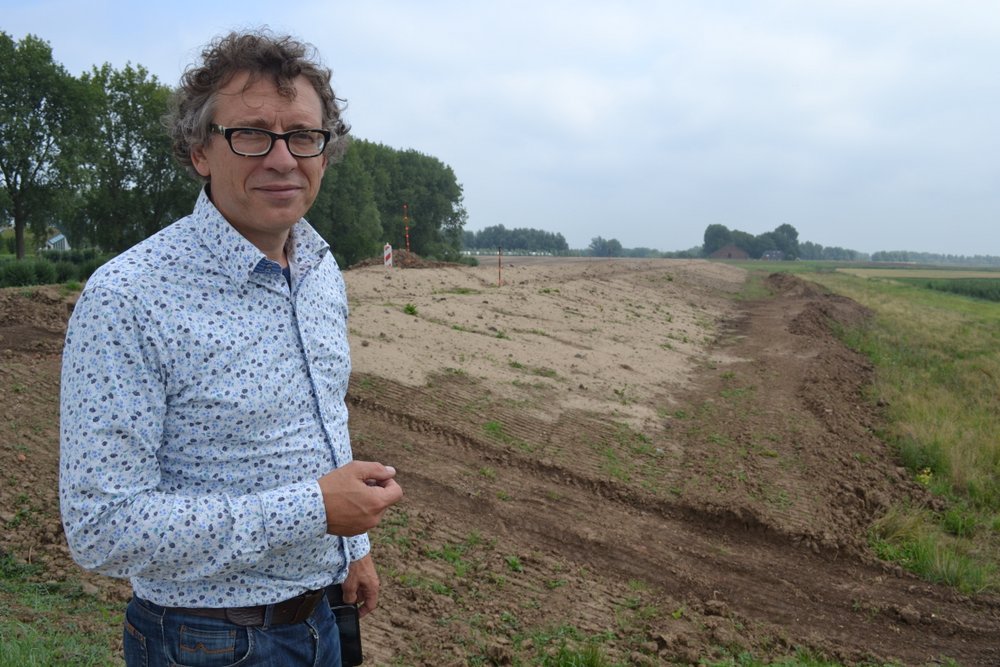
Clinging to the walls of a fertile valley beneath the city of Bethlehem, a half dozen kilometers south of Jerusalem, alienated from the holiest of Palestinian towns by walls, barbed wire and a string of mega-colonial settlements, boxed in by settler-only roads and militarized checkpoints, Mazin and Jessie Qumsiyeh and their friends are planting native Palestinian seeds, growing fruits and vegetables, raising chickens, rabbits and fish, and offering up habitat for birds, insects and other wildlife. Rescuing their beloved landscape cruelly scarred by land thieves without true roots.


The Fire Beneath

Living on the edge of inferno. Perfectly normal for the people of Iceland, where volcanoes and ground cracks spew red hot magma. The GPM speaks with an Icelandic Earth scientist. Magma and the rock it turns into can be put to work, pumping carbonated water into it, turning atmospheric CO2 into limestone, for good. We speak about this with a Columbia University geologist.


Geology Futures

The geology of cities — built out of stuff mined from the ground. That’s where all cities will end up, broken down and fossilized. The GPM speaks with a geologist who gazes into the future. Some human-made molecules won’t break down either. Forever chemicals, they’re called, and they’re everywhere. In non-stick cookware, cosmetics and clothing. They last forever, and they’re toxic. On a happier note — the human microbiome. All those bacteria living on us and in us, delivering crucial services. Nothing more amazing than the bacteria in the gut of a pregnant woman, steering healthy fetal development.


Crime of Crimes

Genocide in Gaza — Is Israel guilty of this crime of crimes? One thing is clear: genocidal incitement permeates Israeli society. The GPM speaks with Israeli human rights attorney Michael Sfard. How to stop Israel’s assault? Some call for international intervention. The GPM speaks with Canadian international law expert Ardi Imseis. And, the Anthropocene. A wake-up call from Canadian Earth scientist Martin Head.


Tipping Points

Oceans of clean energy on humanity’s doorstep — wave, tidal, surface heat and, wherever freshwater flows into the sea … salt gradient energy. Tipping points in Earth systems. Unstable states world governments need to prepare for now. And, America’s Passionate Attachment to Israel. Loyalty is a must.


To Sleep, Perchance to Dream

Sleeping and dreaming — essential and mysterious. An old Tanzanian friend speaks about torrential rains and village celebrations. And, in the Dutch city of Delft, a big university digs deep for the heat beneath: geothermal energy.


Risky Moves

Risky moves: A Canadian political scientist attends a sanctioned forum in Russia — and asks Vladimir Putin a question. An Italian climate researcher refuses to return to work fast, from the other side of the planet. Slow travel releases less carbon, he tells his bosses. The GPM interviews Radhika Desai and Gianluca Grimalda.


Old Nazis & International Law

A small Canadian lake records humanity’s impact on Planet Earth. On the floor of Canada’s House of Commons, an old Nazi veteran gets a standing ovation. And, when official enemies are to blame, Canada calls for justice. For a beloved ally, Canada calls for justice to be suspended.


Lake Chad Drying Up

Six out of nine planetary systems key to the survival of the human species are under threat. Is Earth still a safe operating space for human beings? And, a mega-engineering project to save an endangered African lake — on the drawing board, and very worrisome.


Planetary Boundaries Breached

Six out of nine planetary systems key to the survival of the human species have been compromised, breaching the estimated boundaries of Earth system stability and resilience and pushing it “well outside of the safe operating space for humanity.” The GPM spoke with Katherine Richardson, lead author of “Earth beyond six of nine planetary boundaries.”


Wanted Man

Kids aren’t the only ones rebelling against extinction. In Ottawa, a sixty-year-old gets arrested for sitting down on a highway. Forget politicians — citizens’ assemblies are the way to go. And, channeling Johnny Cash for adoring fans in France and Germany.


Bosses Old & New

In West Africa, French colonialism officially ended in the 1960s. Six decades later, neocolonialism lives on. These days, America is the world’s preeminent imperial power and NATO its most powerful tool. In Cambodia, French colonists are long gone. Military chiefs and their rich clients rule the roost, much to the detriment of biodiverse ecosystems.


Poisonous Legacies

Uranium mining in Niger: a filthy, toxic business. Fifty years after the end of America’s war on Vietnam, traces of US chemical weapons linger. And, the Anthropocene. A geologist talks about humanity’s transformation of Planet Earth.


Green Planet Monitor Podcast

After years of study, a scientific panel proposes a formal definition of the Anthropocene, naming the spot where humanity’s fingerprints are best observed in the rock record. A Canadian geologist relishes the moment. And, a First Nations elder reflects on the lake of her dreams and memories.


Green Planet Monitor Podcast

Nothing woolly-headed or Utopian about it: A universal, guaranteed basic income. A hundred years later, memories of war that do not fade. And, one of humanity’s great revolutions – the 1950s Great Acceleration has transformed Earth’s surface completely, hurtling our planet into an uncertain future.


Green Planet Monitor Podcast

Humanity’s impact on Planet Earth has a name: the Anthropocene. The start of Earth’s human age can be pinpointed in ice and biological cores, and the bottom sediments of bays and lakes — including a small lake in southern Ontario. But human beings have no control. And now we stand at catastrophe’s door.


Green Planet Monitor Podcast

A US Supreme Court ruling throws American wetlands under the bus. In the oven, wheat and corn flour turn into bread and tortillas; spread on farm fields, rock flour reacts with carbon dioxide, turning into carbonates that get stored – forever. And, sharp questions off his tongue and a smartphone in hand, a Canadian activist ambushes politicians.


Do Animals Dance?

Do Animals Dance? features a couple of tunes by a guy named Shawn O’Halloran, talented singer-songwriter from Hamilton, Ontario, who passed away long before his time, back in 2019. Animals Like to Dance is one of fourteen songs Shawn wrote for The Earth Chronicles, on commission — all amazingly well written; clever lyrics, and well performed, accompanied by veteran Hamilton-area percussionist, Paul Panchezak.


Green Planet Monitor Podcast

“War is not healthy for children and other living things.” It isn’t healthy for Planet Earth’s climate system either. The cradle of crop diversity here on Planet Earth – Ethiopia. And, Israel-Palestine – a discreet toponym, six syllables tripping off the tongue.


Militarism & Climate Breakdown

The connections between America’s permanent war economy, its military-industrial complex and climate system breakdown are the subject of a campaign by US-antiwar group CODEPINK. The GPM talks about militarism and Earth’s rising climate crisis with CODEPINK co-founder Medea Benjamin.


Green Planet Monitor Podcast

The roots of the US anti-abortion movement — misogyny, racism and hatred of immigrants. On the edge of a big Canadian city, an oasis of calm where wildlife thrives. And, the latest report from the World Meteorological Organization; its lead author is scared.


Green Planet Monitor Podcast

Turning tall cane stalks into small, supple reeds for woodwind instruments. Decarbonizing construction; tons of carbon are embodied in buildings; there’s plenty of ways to decarbonize them. And, the Palestinian village of Jubbet al-Dibh. Last week, the Israeli military bulldozed its elementary school!.


The Big One

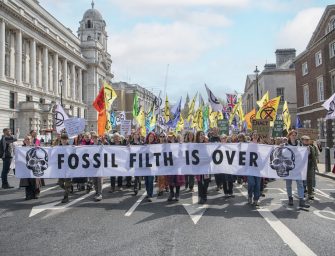
London’s largest ever public protests for climate and Earth justice have come to a close. An estimated hundred thousand attended the four-day event, organized by Extinction Rebellion and other UK groups, rallying around the theme, “Unite to Survive.”


Green Planet Monitor Podcast

Young Israelis who refuse to serve in the military. And, as climate catastrophe sweeps the planet, in the Swedish city, Goteborg, engineers and students are designing the sort of building where people can live – comfortably — without squandering Earth’s limited resources, or polluting its atmosphere


I Know Who I Am

I met Vivien Sansour for the first time back in 2016, in her home town of Beit Jala, on the southern edge of Bethlehem, in Israeli-occupied Palestine. An anthropologist by training, Vivien has turned to the promotion of food and the cultural sovereignty tied to growing one’s own and saving the seeds, as her life’s work.


Cryosphere

Planet Earth is covered in water. Ninety-seven percent is in earth’s oceans. Most of the rest is frozen solid — locked up in sea ice and terrestrial ice sheets, glaciers and permafrost. Earth’s cryosphere plays a huge role in regulating climate. As our planet warms, its cryosphere is slowly melting, triggering positive feedbacks that make earth scientists worry.


Adapting to Climate Change Under Water Apartheid

Climate change is a human rights issue. Nowhere is this clearer than in Israeli-occupied/colonized Palestine, where land and natural resources required for climate adaptation are controlled by Israel, and systematically denied to Palestinians. Of all these resources, none are more vital than water.


Green Energy Dreams

It’s the ultimate green dream: some device or substance that can capture the sun’s infinite flood of energy, store that energy, release it as heat and electricity — in controlled fashion — then absorb it all over again in a continuous closed loop. A little organic molecule called norbornadiene promises to make dreams come true, in the crucial realm of home heating and cooling.


A Village Called Battir

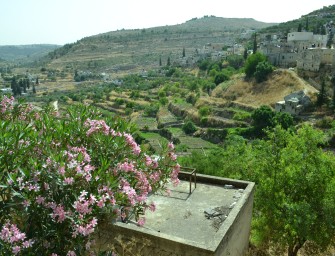
Standing on the edge of little Battir, I feasted my eyes on an astonishing sight: an amphitheater of ancient stone terraces covered in a cornucopia of fruits, vegetables, herbs and trees — including olive trees over a thousand years old.


Inka Milewski

https://media.blubrry.com/thegreenbluesshow/dl.dropboxusercontent.com/u/314577/GPM%20III/Audio%20stories/Inka_EC_bite.MP3

Inka Milewski was a marine biologist, not a public health researcher or epidemiologist, when she received a phone call from worried residents of her community. She took up that call. Had no choice. It was something she had to do.


The Mangroves of Southern Cambodia

http://media.blubrry.com/thegreenbluesshow/www.greenplanetmonitor.net/wp-content/uploads/2008/10/mangroves-1.mp3

They’re scrubby, fierce with mosquitoes and impossible to walk through, but salt water mangroves are the guardians of Earth’s tropical coastlines and nurseries for her fish. They’re also threatened.


Garbage in Paradise

http://media.blubrry.com/thegreenbluesshow/www.greenplanetmonitor.net/wp-content/uploads/2008/10/majuro-garbage.mp3

It’s easy to forget – living in the middle of a continent – that there are limits to the amount of dross we can toss. But when you’re living on an island, in the middle of the ocean, trash can get in your face


Eleventh Transmission

http://media.blubrry.com/thegreenbluesshow/dl.dropbox.com/u/314577/Warm%20Wet%20Planet/Cars.mp3

Human beings are deeply dependent on motorized machines to move themselves around. Trillions of these things now choke a vast and growing network of so-called “roads,” getting into deadly accidents and polluting the planet’s atmosphere.


Ninth Transmission

http://media.blubrry.com/thegreenbluesshow/dl.dropbox.com/u/314577/Warm%20Wet%20Planet/Warming.mp3

One of Earth’s tens of millions of species has been mining colossal volumes of organic matter buried for ages, and burning the stuff for fuel — raising the surface temperature of their planet to a level higher than any time in the past.


Water in Tanzania

https://media.blubrry.com/thegreenbluesshow/dl.dropboxusercontent.com/u/314577/GPM%20III/Audio%20stories/WaterTanzania.mp3

Water is one of Tanzania’s scarcest commodities. In the capital city of Dar es Salaam, about sixty percent of households don’t enjoy a reliable supply. The surest bet is a twenty-liter bucket of precious water for one dollar.


Melaku Worede

https://media.blubrry.com/thegreenbluesshow/dl.dropboxusercontent.com/u/314577/GPM%20III/Audio%20stories/Melaku.mp3

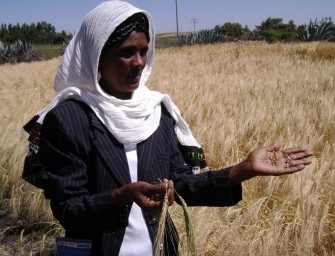
Ethiopia is renowned for the diversity of its seeds, with native resistance to drought, pests and climate change. Listen to 1989 Right Livelihood Award winner Melaku Worede talk about seed diversity in his homeland, Ethiopia.


Agua Sustentable

https://media.blubrry.com/thegreenbluesshow/dl.dropboxusercontent.com/u/314577/GPM%20III/Audio%20stories/AguaSust.mp3

By its very nature, water can only be successfully managed by consensus. When conflicts arise, smart solutions are often the exception. Nowhere are water conflicts more common than in the landlocked South American nation of Bolivia.


Greening Air Travel

http://media.blubrry.com/thegreenbluesshow/dl.getdropbox.com/u/314577/canopy2.mp3

Stuart Franklin is turning air miles into trees. Franklin — the founder of a carbon offsetting project in Ecuador — calculates how many seedlings he needs to plant to capture the carbon dioxide emitted by tourists jetting to the Galapagos Islands each year.