Podcast (the-green-blues-show): Play in new window | Download
Subscribe: RSS
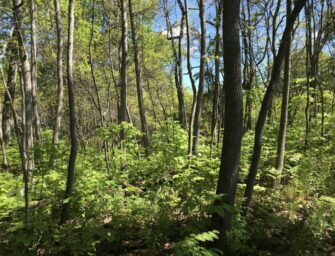
Managing Earth’s endangered forests. Voices from the 21st UN Forum on Forests, in NYC.
Podcast (the-green-blues-show): Play in new window | Download
Subscribe: RSS
Managing Earth’s endangered forests. Voices from the 21st UN Forum on Forests, in NYC.

Podcast (the-green-blues-show): Play in new window | Download
Subscribe: RSS
The GPM speaks about Israel-USA’s war on Iran, and the wider state of the world, with Atif Kubursi, Emeritus Professor of Economics at McMaster University.
Podcast (the-green-blues-show): Play in new window | Download
Subscribe: RSS
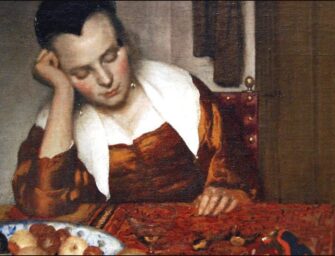
Sleeping and dreaming — essential and mysterious. An old Tanzanian friend speaks about torrential rains and village celebrations. And, in the Dutch city of Delft, a big university digs deep for the heat beneath: geothermal energy.

Podcast (the-green-blues-show): Play in new window | Download
Subscribe: RSS
In West Africa, French colonialism officially ended in the 1960s. Six decades later, neocolonialism lives on. These days, America is the world’s preeminent imperial power and NATO its most powerful tool. In Cambodia, French colonists are long gone. Military chiefs and their rich clients rule the roost, much to the detriment of biodiverse ecosystems.
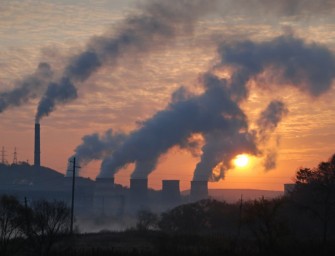
The Anthropocene defined — geologically. I speak with Jan Zalasiewicz about the history and work of the Anthropocene Working Group. Zalasiewicz was its first chair.

Uranium mining in Niger. It’s a filthy but profitable business — profitable for French extractors and Nigerien elites; filthy for Nigerien mine workers and mining communities.

Podcast (the-green-blues-show): Play in new window | Download
Subscribe: RSS
Nothing woolly-headed or Utopian about it: A universal, guaranteed basic income. A hundred years later, memories of war that do not fade. And, one of humanity’s great revolutions – the 1950s Great Acceleration has transformed Earth’s surface completely, hurtling our planet into an uncertain future.

Podcast (the-green-blues-show): Play in new window | Download
Subscribe: RSS
Humanity’s impact on Planet Earth has a name: the Anthropocene. The start of Earth’s human age can be pinpointed in ice and biological cores, and the bottom sediments of bays and lakes — including a small lake in southern Ontario. But human beings have no control. And now we stand at catastrophe’s door.
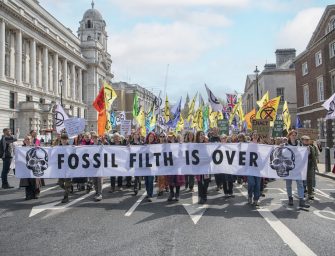
London’s largest ever public protests for climate and Earth justice have come to a close. An estimated hundred thousand attended the four-day event, organized by Extinction Rebellion and other UK groups, rallying around the theme, “Unite to Survive.”

Long before the ‘intractable conflict’ between Israeli Jews and Palestinians gets resolved, climate change will have thrown everything up for grabs — literally. It already has.

We use lots of items in our daily lives. We use them and then throw them away, or perhaps recycle them when they wear out or get damaged. Then again, some of us prefer to repair for re-use — at a Repair Cafe.
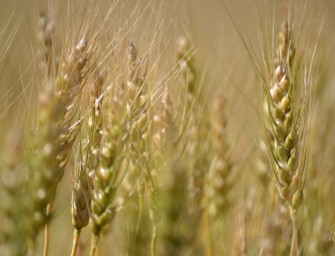
For those who thought that corporate concentration in the food industry couldn’t get tighter, wake up and smell the coffee. The Big Six seed and farm chemical producers are now on the verge of coalescing into three. Amazon may soon be the world’s biggest supermarket.

Fair trade — as opposed to Free Trade — puts farmers, workers, communities and the health of the planet ahead of national trade balances and corporate profits. Listen to the voices of fair traders gathered in Winnipeg for their national convention.
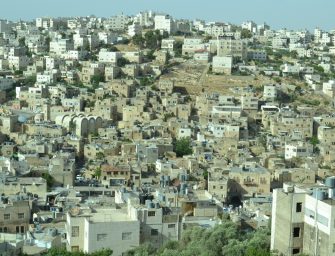
I took off for Hebron on a Sunday morning. Throngs of Israeli soldiers filled the bus station, soldiers on the move, barely more than teenagers, large backpacks and automatic weapons flung over their shoulders, smart phones in their hands.
Imagine an electric-powered fleet of Canada Post vehicles, along with vehicle charging stations at post offices. And postal banking, where loans could be secured for renewable energy installations and home energy retro-fits. Listen up.
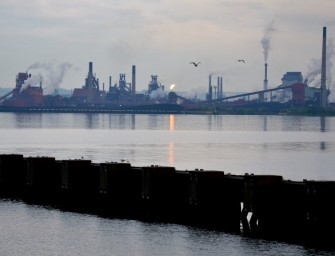
Will global capitalism eventually wean itself off fossil fuels? Can wind, solar, geothermal and other renewable energy sources generate enough joules to drive permanent economic growth? Should carbon emissions be taxed?

It’s not a new or unique story. The factories in a blue-collar industrial town grow silent and the character of the city surrounding them is transformed.
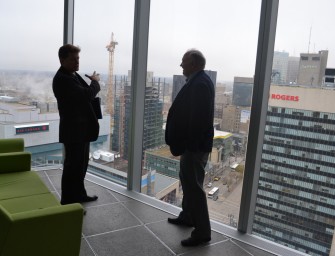
Like Earth’s climate, Manitoba Hydro’s office tower — in the city of Winnipeg — is an integrated system. As Earth’s climate warms, energy efficient buildings like this will be in demand.
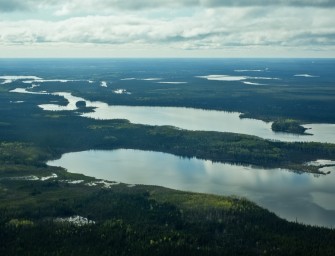
It would be difficult to go a day without stainless steel, and that steel would not be stainless without ferrochrome — the end product of chromite mining. In northern Ontario, chromium mining generates controversy.
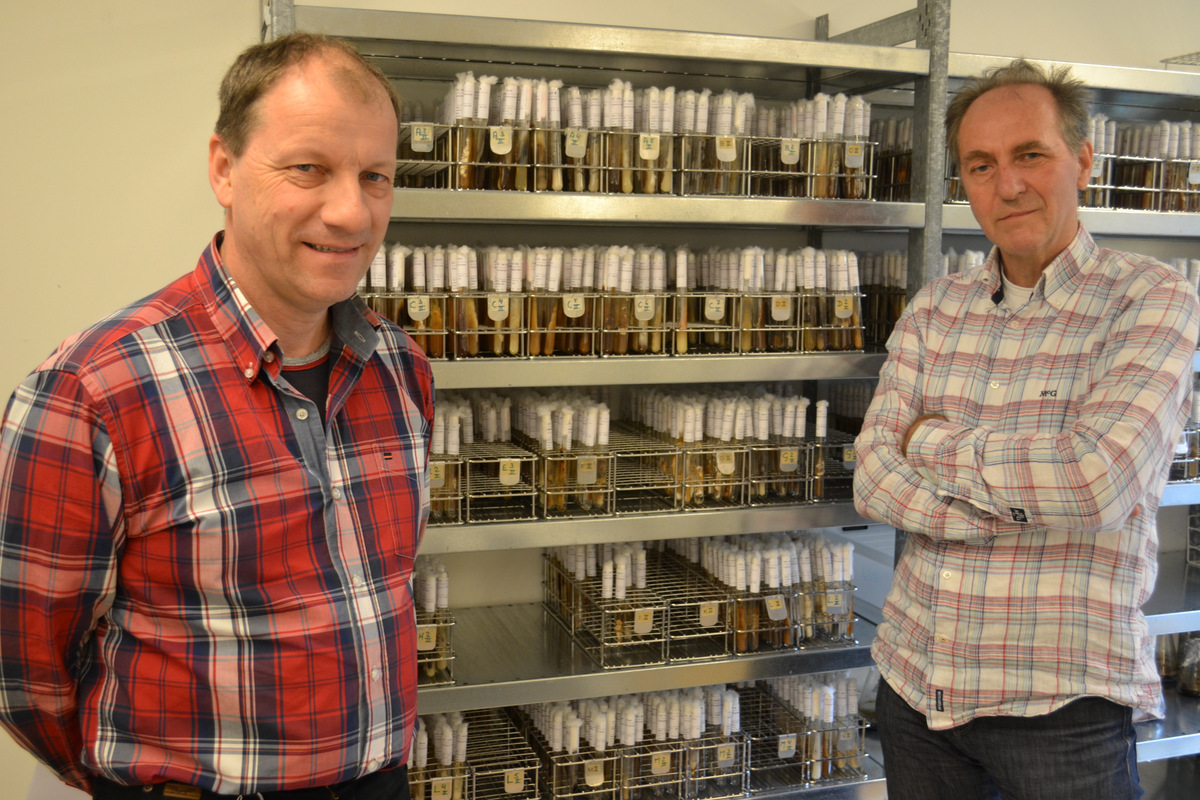
Picture a landscape buried beneath a sky-high heap of dead plants and animal corpses. This is what Earth’s surface would look like if it weren’t for fungi. Fungi are the biosphere’s recyclers. Human society depends on them absolutely.
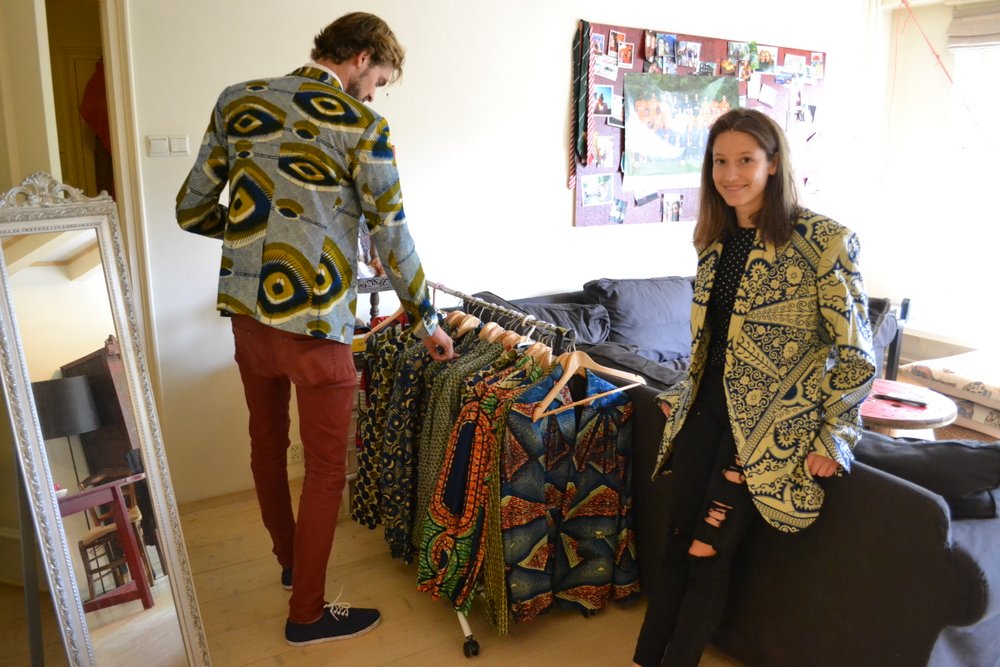
Mention Rwanda to someone, what comes first to their mind? Bloody genocide, most likely; certainly not swank men’s fashion. Think again.

So-called “industrial economies” on Earth value money above all else, while squandering finite resources and poisoning their little blue-green planet.
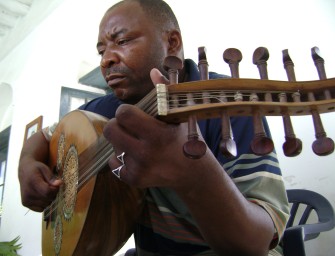
Twenty-four hours in Zanzibar. What’s a person to do? Following up on a contact, I go visit the Dhow Countries Music Academy … and am amazed.

Plants that grow from seeds are the foundation of humanity’s food supply. Wheat, barley, oats, corn, potatoes and a dizzying variety of beans and legumes … Conserving these seeds of survival is one of humanity’s greatest challenges.
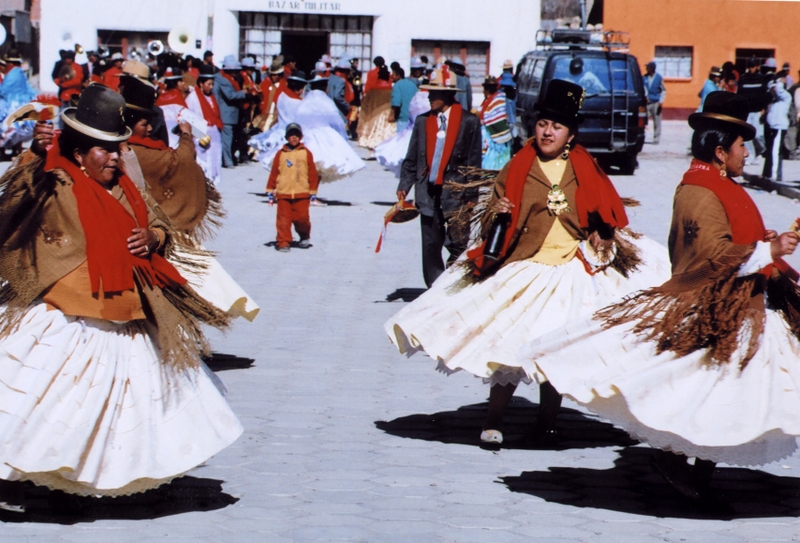
The slow-food movement has reached the sun-baked, Bolivian altiplano. Here, small-scale producers are making the most of scarce water supplies, ample sun and local expertise to grow food at the top of the world.
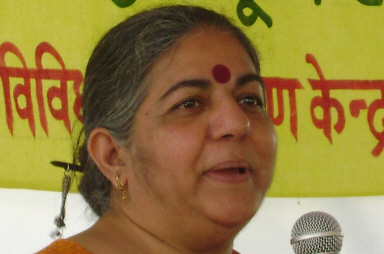
In the foothills of the Himalayan Mountains – in northern India – a very energetic woman has declared that seeds should also be free. We caught up with Vandana Shiva at her biodiversity farm north just outside Dehradun.
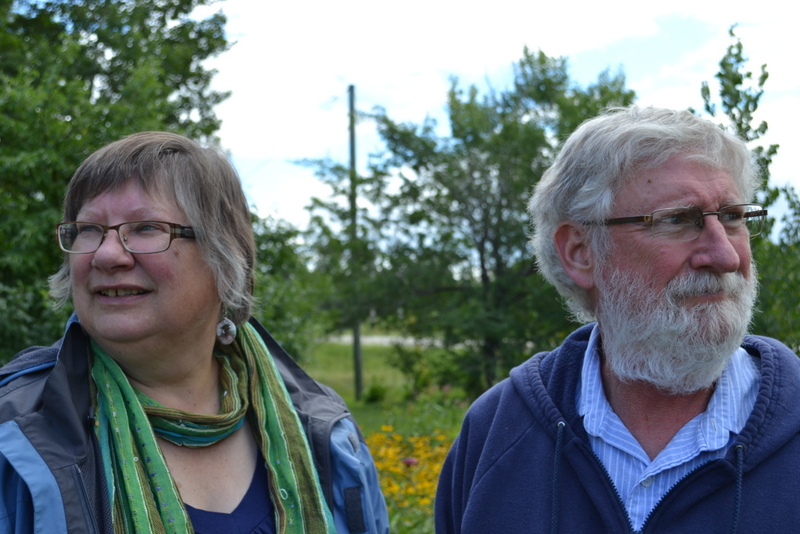
Who coined the phrase “Think globally, act locally” is a matter of dispute. Dinah Ceplis and Zack Gross certainly exemplify the philosophy in action.

Imagine what it would be like to have your home water supply morph into a fire hazard — the liquid flowing from your tap liable to explode if you light a match.

Looking back over a 42-year career in the Canadian trade union movement — from a Chrysler assembly line to the national presidency of the Canadian Autoworkers — what strikes Ken Lewenza the most?
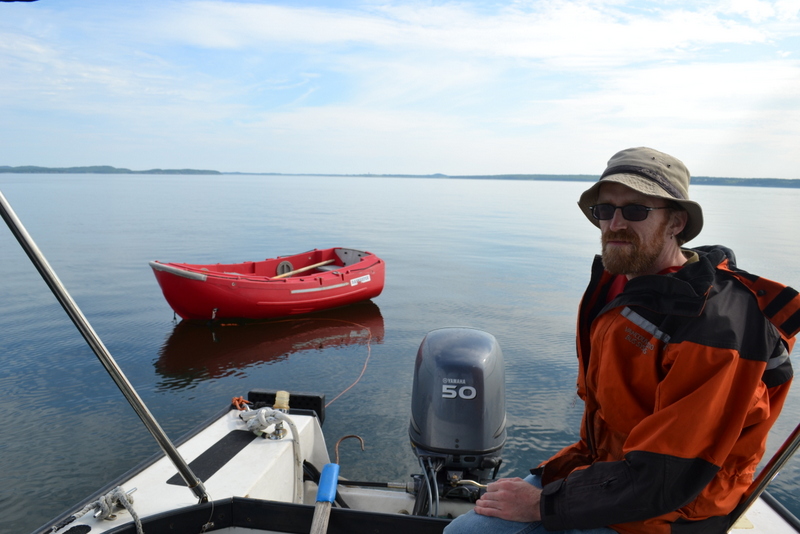
The Bay of Fundy, on the north shore of the Canadian province of Nova Scotia, is one of Earth’s great wonders. Listen to Matt Abbott, a Fundy Baykeeper.
Cerro Posokoni towers over the town of Huanuni, on the eastern slopes of the Andes, in the Bolivian department of Oruro, like an upside-down ice cream cone. Thousands of miners pick away at its entrails each day, among them children.
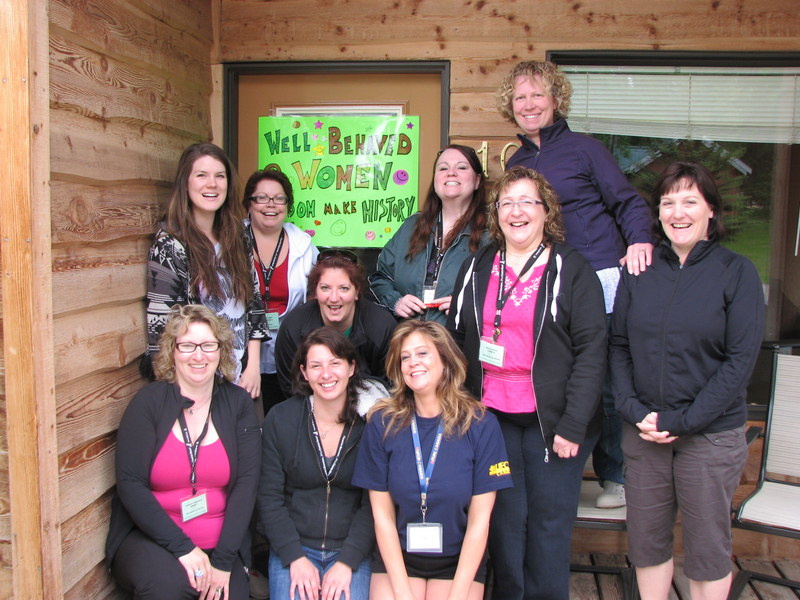
Saskatchewan’s Prairie School for Union Women has been building personal and leadership skills, and solidarity among women workers, for sixteen years.
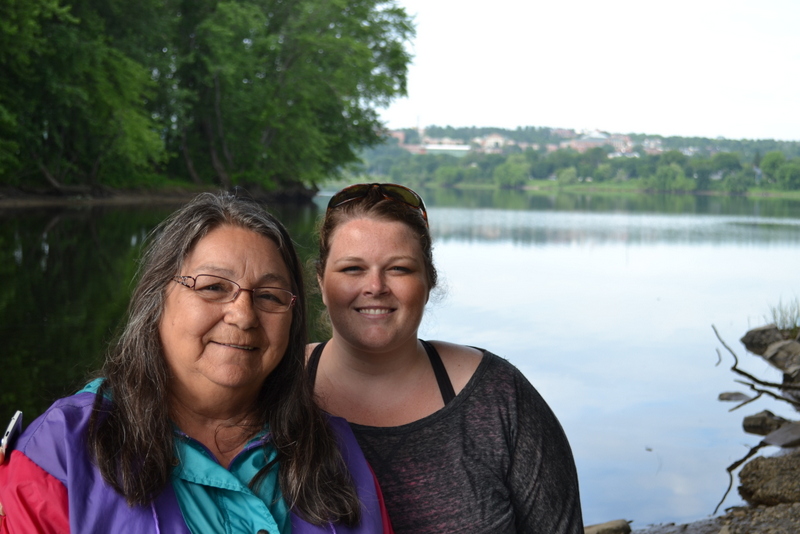
Follow a group of naturalists up New Brunswick’s Nashwaak River, from its mouth, across from the provincial legislature in Saint John, to its headwaters a hundred and fifty kilometers north, near a proposed tungsten-molybdenum mine.

In the summer of 2014, several hundred people gathered at a fracking “Day of Protest” in Kent County, between Moncton and Miramichi — Elsipogtog First Nations territory.

Winnipeg’s Social Enterprise Center builds community in the north end of Prairie Canada’s capital — from the inside out.
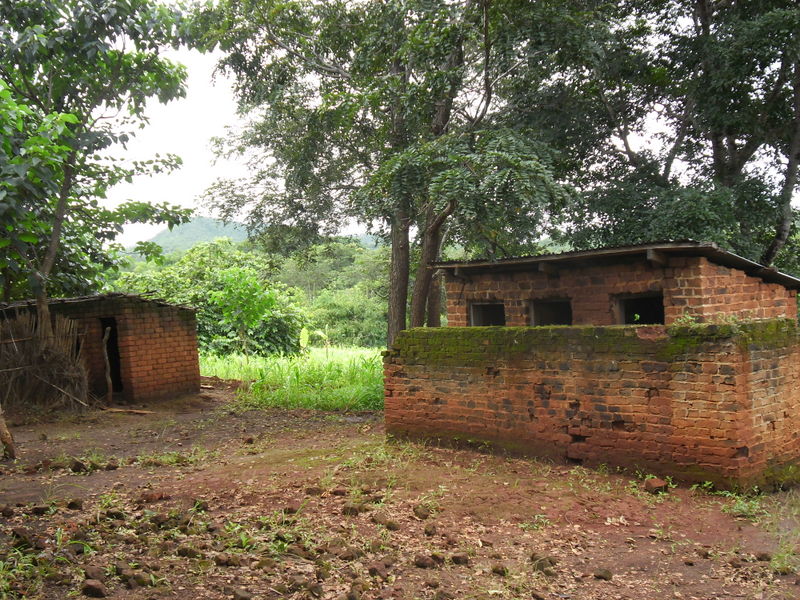
Tanzania was applauded for attaining its UN Millennium Development Goal on universal education four years in advance of the 2015 deadline it had set for itself. But in this rural east African nation, enormous challenges remain.

Until recently, Rwandan farmers knew when the rains would come; when best to plant their crops. These days, with varying weather patterns attributed to climate change, more and more Rwandan farmers struggle to grow food.
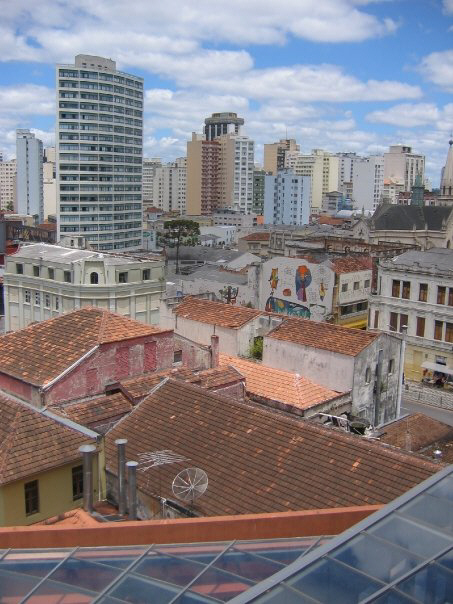
The city of Curitiba, in southern Brazil, is famous for innovation and rational development. It was one of the first cities to market itself as “green” in a 1980s advertising campaign. And it is.

When it comes to garbage, it’s a matter of perspective. One person’s trash is another person’s cash. Outside of Kigali, in the east African nation of Rwanda, villagers have figured out how to turn food waste into cooking fuel.
Podcast: Play in new window | Download
Subscribe: RSS
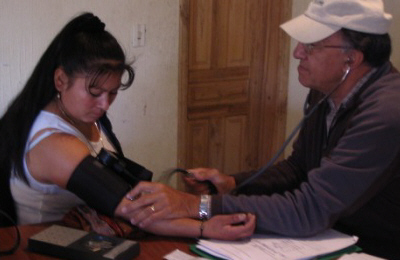
The next time you buy roses for your honey, consider this: The cut flowers in your Valentine’s bouquet were fumigated for insects and mildew, then drenched with preservatives for the long flight north.

Podcast: Play in new window | Download
Subscribe: RSS
When powerful corporations seek concessions in poor countries, communities rally around democratic institutions to defend their land and water.

Podcast: Play in new window | Download
Subscribe: RSS
For more than three decades, the Central Coffee Organization of Northwestern Peru has addressed gender inequity on the farm. Putting a dollar value on women’s work is what has made a difference.

Podcast: Play in new window | Download
Subscribe: RSS
Small farmers in the hills of Honduras are improving their lives through seed saving and on-farm experimentation. Jen Moore reports.

Podcast: Play in new window | Download
Subscribe: RSS
They’re scrubby, fierce with mosquitoes and impossible to walk through, but salt water mangroves are the guardians of Earth’s tropical coastlines and nurseries for her fish. They’re also threatened.
Podcast: Play in new window | Download
Subscribe: RSS
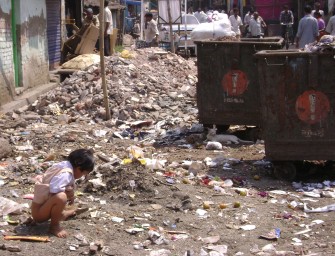
Mumbai is the world’s third most populous city. This little neck of land dangling in the Arabian Sea is a Mecca for India’s corporate giants. But almost half of Mumbai’s eighteen million residents are poor and real estate moguls are squeezing them out.
Podcast: Play in new window | Download
Subscribe: RSS
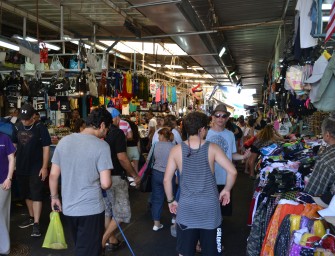
Astonishingly, the so-called ‘human’ species appropriates about twenty percent of its planet’s net productive capacity. Humanity’s insatiable consumptive thirst will have profound impact on the future development of life on Earth.

Podcast: Play in new window | Download
Subscribe: RSS
Human beings are deeply dependent on motorized machines to move themselves around. Trillions of these things now choke a vast and growing network of so-called “roads,” getting into deadly accidents and polluting the planet’s atmosphere.

Podcast: Play in new window | Download
Subscribe: RSS
In this final chapter in our series, Christine Hamilton and I head off to a fishing settlement called Lushonga, in search of a woman named Josie, who suffers from an advanced case of AIDS.

Podcast: Play in new window | Download
Subscribe: RSS
The third in a series of voicescapes from a visit to Bumbire Island, in Southwest Lake Victoria, Tanzania … Dale Hamilton and I travel to nearby Kinagi Island to visit a big fishing camp.

Podcast: Play in new window | Download
Subscribe: RSS
Bumbire Island sits on the northern tip of a sliver of an archipelago in southwest Lake Victoria, in Tanzania, East Africa. Nature on and around Bumbire is gorgeous—but the hardscrabble fishing camps scattered along its shores—and those of nearby rocky islets—are a different story.
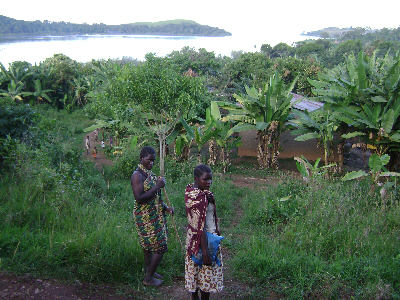
Bumbire Island sits on the northern tip of a sliver of an archipelago in southwest Lake Victoria, Tanzania, East Africa. The landscape is gorgeous, but hardscrabble fishing camps tell a different story.

Podcast: Play in new window | Download
Subscribe: RSS
Human beings love money, as this fifth captured transmission testifies.

Podcast: Play in new window | Download
Subscribe: RSS
Amid growing concerns about how to survive on a paltry income, Rwandan teachers turn to a traditional practice, whereby groups of people communally contribute money to help one another out.
Podcast: Play in new window | Download
Subscribe: RSS
Agriculture is the backbone of Tanzania’s life and economy. Three quarters of her people are small-scale, peasant farmers. Policies that empower farmers — particularly women — need to be implemented.

Podcast: Play in new window | Download
Subscribe: RSS
One night, Mariana dreamed that she was happy to go to work. Her supervisor greeted her and Mariana was delighted to find a comfortable ergonomic chair waiting for her in front of the machine that she operates. Then she woke up.
Podcast: Play in new window | Download
Subscribe: RSS
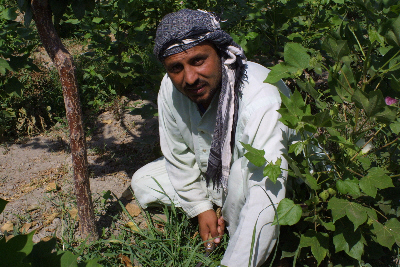
Afghanistan produces ninety percent of the world’s heroin. The Canadian and U.S. governments admit the Taliban controls this drug trade.

Podcast: Play in new window | Download
Subscribe: RSS
In the 1950s, journalist Tom Patterson became convinced that Shakespeare could help revitalize his hometown of Stratford, Ontario. Today, Suchitoto, El Salvador hopes to do the same, in partnership with Stratford.
Podcast: Play in new window | Download
Subscribe: RSS
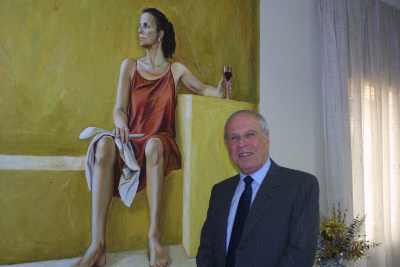
Lebanon’s Bekaa Valley has produced wine for over four thousand years. That tradition continues today, with Lebanon boasting some world-class reds. But vintners have had to deal with fundamentalists, civil war, and invading armies.
Podcast: Play in new window | Download
Subscribe: RSS
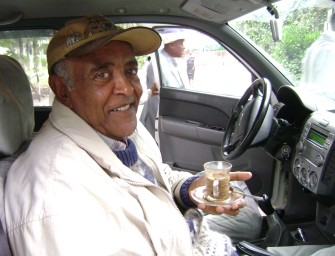
Ethiopia is renowned for the diversity of its seeds, with native resistance to drought, pests and climate change. Listen to 1989 Right Livelihood Award winner Melaku Worede talk about seed diversity in his homeland, Ethiopia.

Podcast: Play in new window | Download
Subscribe: RSS
Southern Lebanese farmers are in a bind. On the one hand, Israeli cluster bombs continue to pollute their fields. On the other hand, they’ve been abandoned by Lebanon’s political elite, who prefer to see Lebanon import its food.

Podcast: Play in new window | Download
Subscribe: RSS
It’s hard to imagine a development tool more powerful than a radio station. For the past few years, a little station called FADECO has been promoting rural development in the community of Karagwe, in northwest Tanzania.

Podcast: Play in new window | Download
Subscribe: RSS
Poor farmers have always set off to the nearest big city in search of income. Opportunities are often a dream, and obstacles abound. Many forsake their most valuable asset – their own traditions.

Podcast: Play in new window | Download
Subscribe: RSS
What happens when a refugee camp turns into a permanent community? Buduburam — home to hundreds of Liberians — is one such human settlement in the Ghanean capital of Accra.
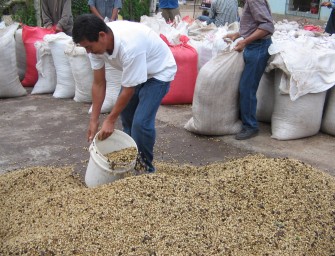
Here’s another dispatch from Victoria Fenner, who spent an action and learning-filled three weeks in Central America earlier in the year. It’s hard to visit Central America and not explore the world of coffee, so here we go.

If everyone on Earth earned what their labour was truly worth, global poverty would be less rampant. Paying people what their labour is worth is what the so-called Fair Trade movement is all about.
Podcast: Play in new window | Download
Subscribe: RSS
Of all the conflicts in Latin America, none was more brutal or costly in human lives than the forty-year civil war in Guatemala. Today, former rebels are presenting their perspective of the struggle–to tourists.
Podcast: Play in new window | Download
Subscribe: RSS
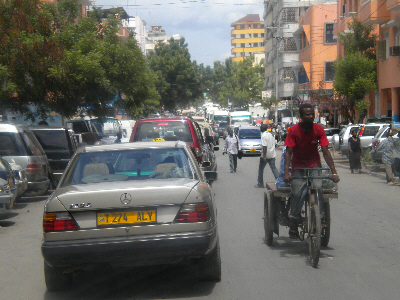
In the Tanzanian capital of Dar Es Salaam, a metropolis known for its astonishing traffic jams, urban planners are working on a new mass transit system that will hopefully make everyone’s lives and workday much more peaceful.

Three quarters of Earth’s surface is covered in water. Most of this vast mass of water is salty, a mere two percent fit to drink. You’d think we’d conserve what’s so scarce and valuable. It isn’t always so. Bolivians are trying hard.
Podcast: Play in new window | Download
Subscribe: RSS
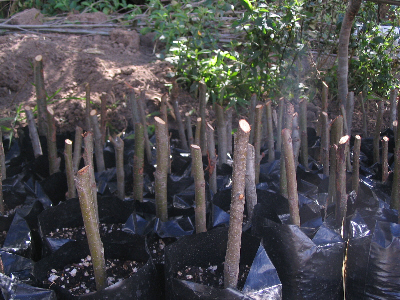
Stuart Franklin is turning air miles into trees. Franklin — the founder of a carbon offsetting project in Ecuador — calculates how many seedlings he needs to plant to capture the carbon dioxide emitted by tourists jetting to the Galapagos Islands each year.

Israeli activist Jeff Halper came to Winnipeg at the end of January to speak about the current situation in Palestine-Israel, and about the work of the Israel Committee Against House Demolitions.
Podcast: Play in new window | Download
Subscribe: RSS
Palestinian farmers face a myriad of challenges. In the “West Bank,” Israel’s so-called “Security Barrier” has walled them off from their olive and vegetable groves. Farmers in Gaza are liable to be shot by soldiers manning Israel’s “security” perimeter.

Rwandans have grown rice, bananas, tea and coffee for generations. On one mountainside, villagers earn extra money processing their own coffee beans — thanks to a fellow Rwandan educated in Canada.

Once upon a time, the US was the world’s top emitter of carbon dioxide. The average American still emits more than the rest of us, but – sometime last year – China’s annual emissions surpassed the US’s. As the Chinese choke on fume-filled air, their leaders are turning to the wind.
Think about threatened waters and their wildlife … what comes to mind? Whales … declining codfish stocks … bleached coral reefs. In the U.S. Territory of Puerto Rico, tiny, luminescent creatures are taking it on the chin. Chemical and light pollution threaten to quench their bioluminescence.

Latest Comments
[…] US military nuclear testing site. At the time, residents were relocated to nearby Rongerik and Kwajalein atolls before arriving at Kili Island in […]