The Anthropocene defined — geologically. I speak with Jan Zalasiewicz about the history and work of the Anthropocene Working Group. Zalasiewicz was its first chair.
The connections between America’s permanent war economy, its military-industrial complex and climate system breakdown are the subject of a campaign by US-antiwar group CODEPINK. The GPM talks about militarism and Earth’s rising climate crisis with CODEPINK co-founder Medea Benjamin.
Dimitri Lascaris is a Canadian lawyer, journalist and human rights activist. He recently returned from a one-month trip to Russia and Crimea, aiming to learn how Russians see the conflict.
A year after the US Supreme Court ruling striking down Roe v. Wade, the GPM speaks about abortion rights with Lauren MacIvor Thompson, a historian of early-twentieth-century women’s rights and public health.
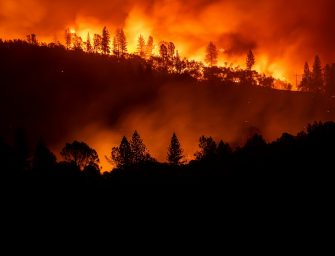
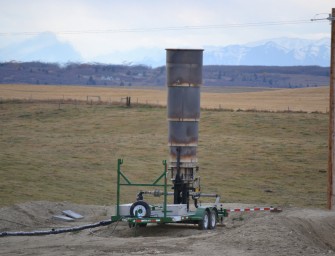
With Spring just begun in the northern hemisphere, wildfires now spread from British Columbia across to the Canadian province of Alberta, and across Central and eastern Russia, a leading European climate agency reports. The GPM speaks with Greenpeace energy strategist Keith Stewart.
For people sweltering in Earth’s rising heat, driven from their homes by wildfire, swept away by rising floods or impoverished by drought, numbers don’t adequately capture the misery Earth’s human-made climate crisis is dishing out.
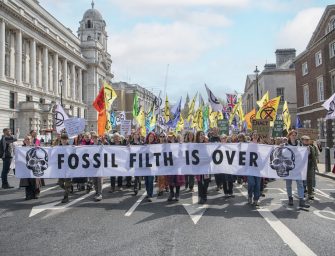
London’s largest ever public protests for climate and Earth justice have come to a close. An estimated hundred thousand attended the four-day event, organized by Extinction Rebellion and other UK groups, rallying around the theme, “Unite to Survive.”
Shit doesn’t just happen. Stock market crashes, multi-vehicle pileups, the collapse of tall buildings, wildfires, viral pandemics … None of these phenomena have a single, simple explanation. Rather, they all result from a multitude of events, factors and situations — proximal, distal and invariably complex. Thomas Homer-Dixon is a complexity theorist. Listen to our conversation.
Donald Trump cited a frightful list of anti-American threats in his 4300-word nomination acceptance speech: terrorism, immigrants, crime, violence, gangs, drugs, lawlessness, government regulation, media elites. He had nothing to say about multidrug-resistant superbugs.
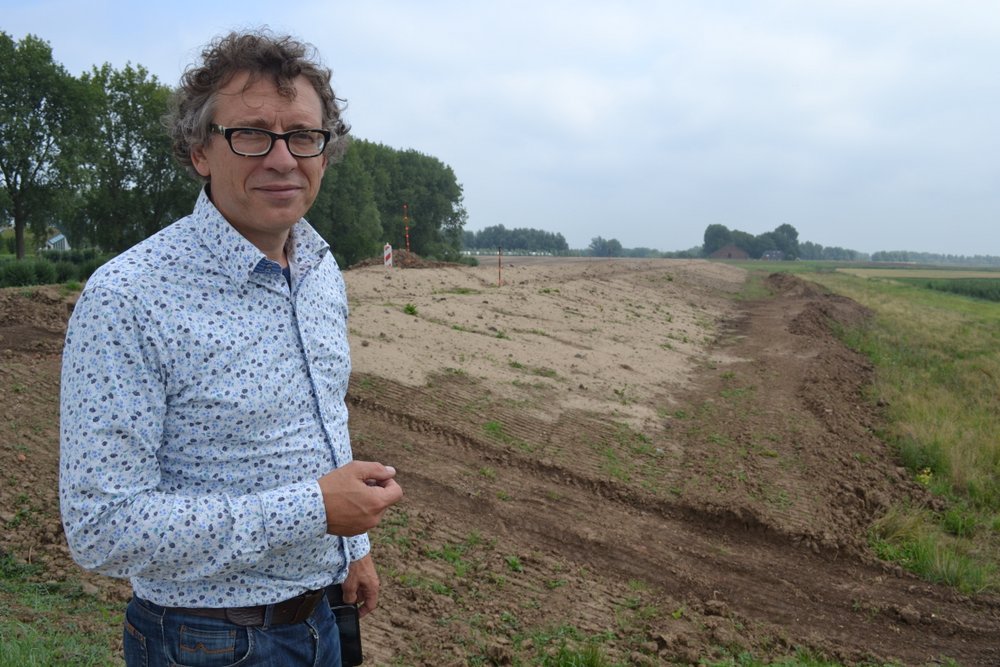
Rising seas linked to climate change pose a major threat to coastal cities around the world. Dutch engineers are designing nature-based flood control systems that are cheap, effective, and environmentally friendly.
We use lots of items in our daily lives. We use them and then throw them away, or perhaps recycle them when they wear out or get damaged. Then again, some of us prefer to repair for re-use — at a Repair Cafe.
Bacteria and fungi, Earth’s quintessential biochemists, are famous for the odd molecules they produce. But human beings are no slouches. According to one estimate, global commerce swells with thousands of industrial chemicals, many completely novel, some very toxic
Thirty-five years after gaining independence, Belize, Central America’s youngest nation, stands on a cusp of development that will either protect crucial wildlife habitat or gradually lose it to wide-scale agriculture.
For those who thought that corporate concentration in the food industry couldn’t get tighter, wake up and smell the coffee. The Big Six seed and farm chemical producers are now on the verge of coalescing into three. Amazon may soon be the world’s biggest supermarket.
When Heather Majaury left the Ottawa Valley for university after high school, it was the start of a whole new journey. And it wasn’t just about the usual transitions from being a teenager to a young adult. It was the birth of a whole new sense of identity.
Fair trade — as opposed to Free Trade — puts farmers, workers, communities and the health of the planet ahead of national trade balances and corporate profits. Listen to the voices of fair traders gathered in Winnipeg for their national convention.
Imagine an electric-powered fleet of Canada Post vehicles, along with vehicle charging stations at post offices. And postal banking, where loans could be secured for renewable energy installations and home energy retro-fits. Listen up.
I’ve always hung out on the margins, with all the other misfits, freaks and queers; on the edge, the border between femininity and masculinity, between brownness and whiteness, a standpoint that offers me a unique worldview.
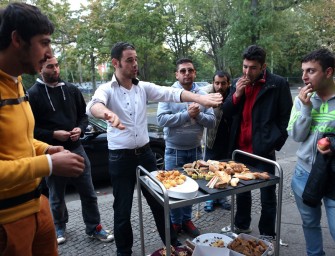
Once it was clear the number of refugees arriving in Germany would top one million, reactions varied dramatically. Months later, a divided society is still debating its role as a refuge for the second time since the end of the cold war.
Last fall I rode 1500 miles from Taos, New Mexico to New Orleans on a 1983 Yamaha xs-650. It was my first solo, long distance bike trip and New Orleans — a legendary city — seemed like a good destination.
Checkpoint 56, in Israeli-occupied Hebron, is a fearsome sight to behold. Flashed before your eyes in a Rorschach test, it could be taken for a high-voltage substation, or an industrial meat grinder.
Rob Kendrick — aka Shakydad — is a highly successful guy with Parkinson’s Disease. Listen to him reflect on the challenges and changes Parkinson’s has offered up, for worse and for better.
A mild mid-March in Canada’s notoriously frigid prairie capital cannot be definitively pinned on global climate change. Still, for anyone willing to listen, read and watch, the writing is on the wall. Earth is warming — and fast.
Camphill residents would never describe their community as an institution. It’s home, community, and a way of life.
Will global capitalism eventually wean itself off fossil fuels? Can wind, solar, geothermal and other renewable energy sources generate enough joules to drive permanent economic growth? Should carbon emissions be taxed?
A year-round program of bi-communal basketball games helps Greek and Turkish Cypriot teens shed stereotypes and make friends while modeling coexistence on a divided island.
It’s not a new or unique story. The factories in a blue-collar industrial town grow silent and the character of the city surrounding them is transformed.
When the early organizers of a union for United Church ministers approached the Canadian Autoworkers in 2004, they had no idea that they were creating a whole new way for workers to organize.
Things constantly change. Everyone knows it. Steady, sometimes sudden change provides contour to individual human lives. Now, it seems humans have changed planet Earth like it’s never been changed before.
Welcome to Fast Forward: Stories of Challenge & Change — a brand new series of the Green Planet Monitor’s about life on Earth. Join us over the next four months. Listen, Read, Watch.
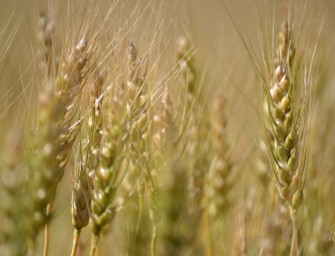
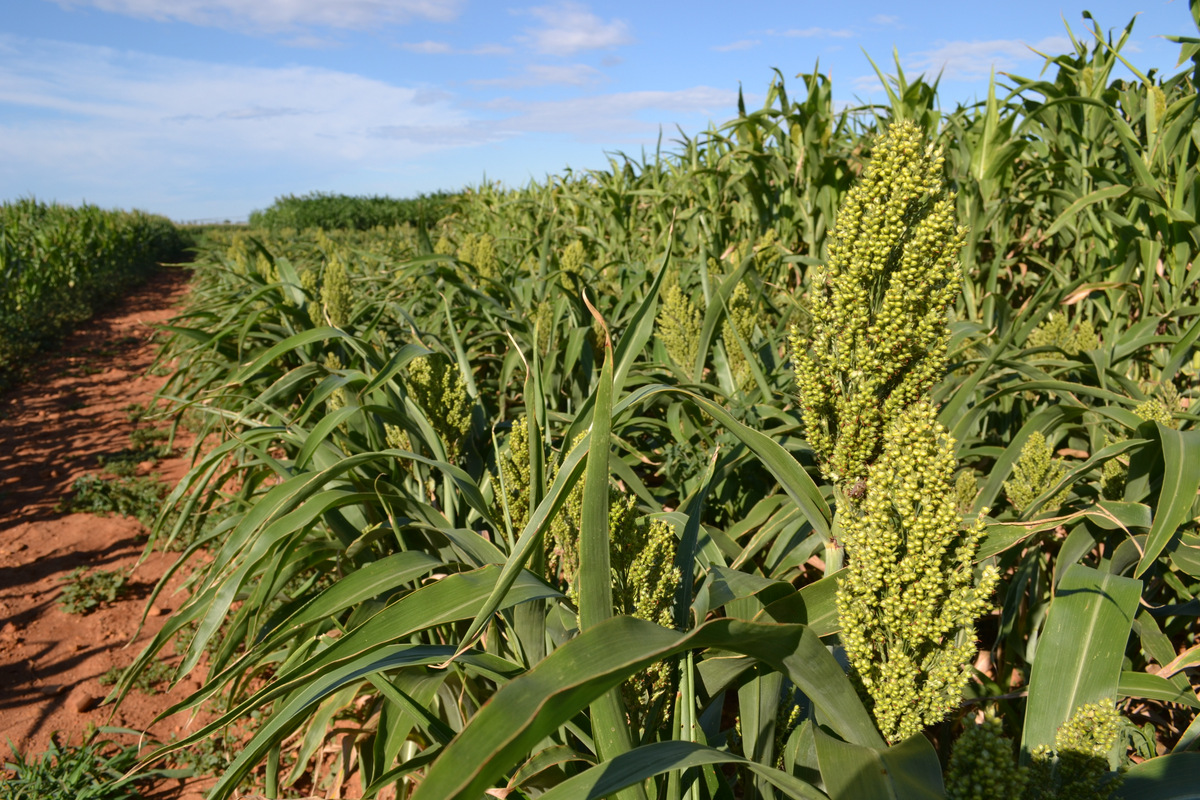
In an agronomy lab and farm field in Montpellier, France, scientists are uncovering the secrets of one of the world’s great crops. The potential spin-offs for global green economies are huge.
Winnipeg’s Social Enterprise Center builds community in the north end of Prairie Canada’s capital — from the inside out.
Latest Comments
[…] US military nuclear testing site. At the time, residents were relocated to nearby Rongerik and Kwajalein atolls before arriving at Kili Island in […]