Agriculture

Articles

Genetic Gold Mine

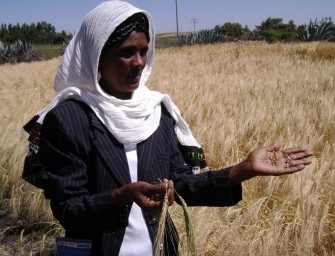
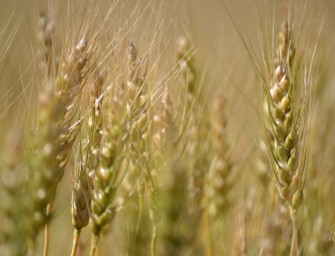
The wheat genome — much larger than the human genome, and packed with lost alleles for resilient wheat in a warming world. Plant researchers in the UK and China united to sequence the source code of long lost wheat varieties. And, at the International Court of Justice in The Hague, Israel’s never-ending occupation of Palestine has been declared illegal. The GPM speaks about the ruling with former UN Special Rapporteur Michael Lynk.


Apes on Steroids

The Great Acceleration: Earth systems commandeered by permanent human growth economics, fueled by coal, oil and gas. A quarter of the planet’s core energy base — natural primary productivity — appropriated for human food, fiber and fuel production. The GPM speaks about human socioeconomic metabolism and appropriation of net primary production with Vienna University ecologist Fridolin Krausmann. And, about the mid-20th century Great Acceleration with Georgetown University historian John McNeill.


Land & People

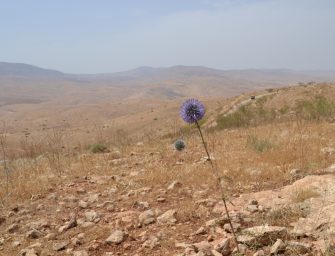
Clinging to the walls of a fertile valley beneath the city of Bethlehem, a half dozen kilometers south of Jerusalem, alienated from the holiest of Palestinian towns by walls, barbed wire and a string of mega-colonial settlements, boxed in by settler-only roads and militarized checkpoints, Mazin and Jessie Qumsiyeh and their friends are planting native Palestinian seeds, growing fruits and vegetables, raising chickens, rabbits and fish, and offering up habitat for birds, insects and other wildlife. Rescuing their beloved landscape cruelly scarred by land thieves without true roots.


Green Planet Monitor Podcast

A US Supreme Court ruling throws American wetlands under the bus. In the oven, wheat and corn flour turn into bread and tortillas; spread on farm fields, rock flour reacts with carbon dioxide, turning into carbonates that get stored – forever. And, sharp questions off his tongue and a smartphone in hand, a Canadian activist ambushes politicians.


Green Planet Monitor Podcast

“War is not healthy for children and other living things.” It isn’t healthy for Planet Earth’s climate system either. The cradle of crop diversity here on Planet Earth – Ethiopia. And, Israel-Palestine – a discreet toponym, six syllables tripping off the tongue.


I Know Who I Am

I met Vivien Sansour for the first time back in 2016, in her home town of Beit Jala, on the southern edge of Bethlehem, in Israeli-occupied Palestine. An anthropologist by training, Vivien has turned to the promotion of food and the cultural sovereignty tied to growing one’s own and saving the seeds, as her life’s work.

Adapting to Climate Change Under Water Apartheid

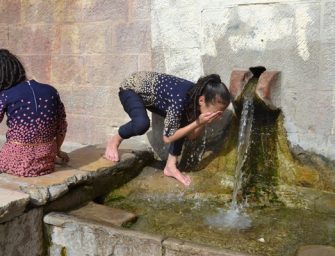
Climate change is a human rights issue. Nowhere is this clearer than in Israeli-occupied/colonized Palestine, where land and natural resources required for climate adaptation are controlled by Israel, and systematically denied to Palestinians. Of all these resources, none are more vital than water.


A Tree Grows in Palestine

Tourists come to Al-Walaja from around the world to enjoy the lovely surrounding landscape. A huge olive tree, reputedly over 5000 years-old, is a big draw. For political tourists, Israel’s imposing “security barrier,” soon to enclose little Al-Walaja in a cage, is a must-see.


Music Reeds

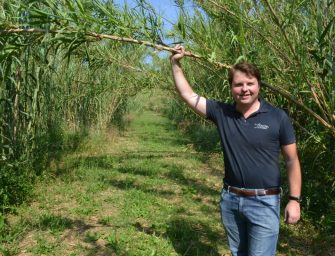
The seductive voice of a clarinet. The wild wail of a tenor sax. The whimsical tones of a bassoon or oboe. Each of these sounds is produced by blowing air over a thin reed sliced from a cane stalk. Most cane reed is produced in the Var region of southern France.


A Village Called Battir

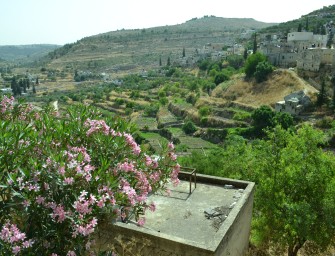
Standing on the edge of little Battir, I feasted my eyes on an astonishing sight: an amphitheater of ancient stone terraces covered in a cornucopia of fruits, vegetables, herbs and trees — including olive trees over a thousand years old.


Flowers for Sweethearts

http://media.blubrry.com/thegreenbluesshow/www.greenplanetmonitor.net/wp-content/uploads/2008/11/Flowers1_JMoore.mp3

The next time you buy roses for your honey, consider this: The cut flowers in your Valentine’s bouquet were fumigated for insects and mildew, then drenched with preservatives for the long flight north.


Cafe Femenino

http://media.blubrry.com/thegreenbluesshow/www.greenplanetmonitor.net/wp-content/uploads/2008/10/femenino.mp3

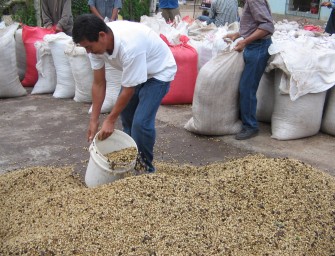
For more than three decades, the Central Coffee Organization of Northwestern Peru has addressed gender inequity on the farm. Putting a dollar value on women’s work is what has made a difference.


Housing Rights For Women

https://media.blubrry.com/thegreenbluesshow/dl.dropboxusercontent.com/u/314577/GPM%20III/Audio%20stories/Women.mp3

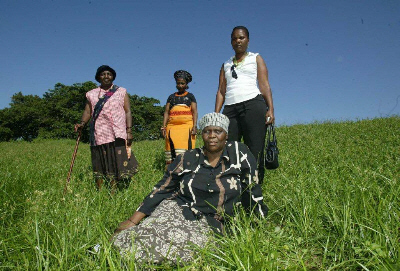
During South Africa’s Apartheid years, black families were routinely evicted from their land. Women and girls fared the worst. Sixteen years after the collapse of Apartheid, life in South Africa is as difficult as it’s ever been for women.


Lebanese Wine

https://media.blubrry.com/thegreenbluesshow/dl.dropboxusercontent.com/u/314577/GPM%20III/Audio%20stories/LebaneseWine.mp3

Lebanon’s Bekaa Valley has produced wine for over four thousand years. That tradition continues today, with Lebanon boasting some world-class reds. But vintners have had to deal with fundamentalists, civil war, and invading armies.


Melaku Worede

https://media.blubrry.com/thegreenbluesshow/dl.dropboxusercontent.com/u/314577/GPM%20III/Audio%20stories/Melaku.mp3

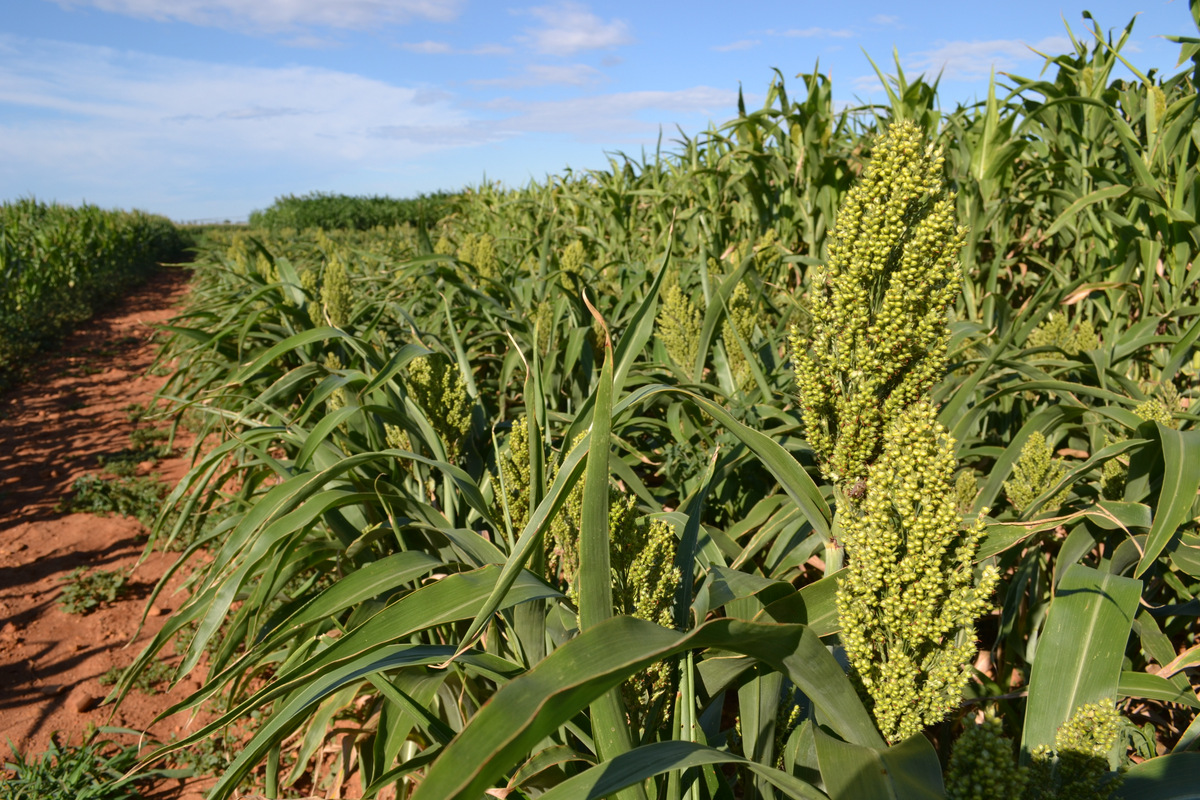
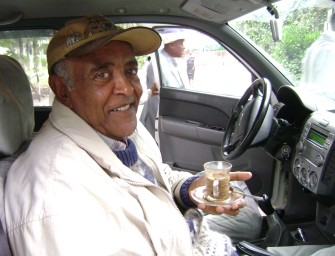
Ethiopia is renowned for the diversity of its seeds, with native resistance to drought, pests and climate change. Listen to 1989 Right Livelihood Award winner Melaku Worede talk about seed diversity in his homeland, Ethiopia.


Land and People

http://media.blubrry.com/thegreenbluesshow/www.greenplanetmonitor.net/wp-content/uploads/2008/10/landandpeople.mp3

Southern Lebanese farmers are in a bind. On the one hand, Israeli cluster bombs continue to pollute their fields. On the other hand, they’ve been abandoned by Lebanon’s political elite, who prefer to see Lebanon import its food.


Radio FADECO

https://media.blubrry.com/thegreenbluesshow/dl.dropboxusercontent.com/u/314577/GPM%20III/Audio%20stories/FADECO.MP3

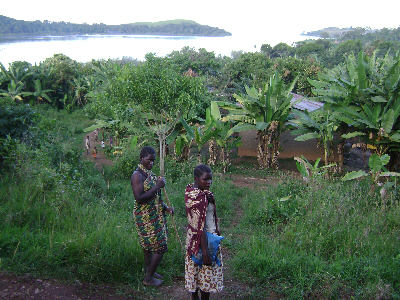
It’s hard to imagine a development tool more powerful than a radio station. For the past few years, a little station called FADECO has been promoting rural development in the community of Karagwe, in northwest Tanzania.


Agua Sustentable

https://media.blubrry.com/thegreenbluesshow/dl.dropboxusercontent.com/u/314577/GPM%20III/Audio%20stories/AguaSust.mp3

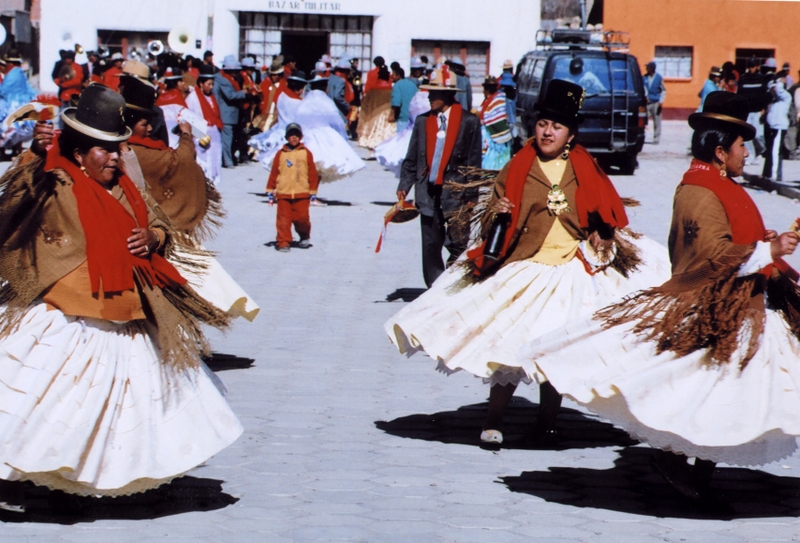
By its very nature, water can only be successfully managed by consensus. When conflicts arise, smart solutions are often the exception. Nowhere are water conflicts more common than in the landlocked South American nation of Bolivia.


New Horizon

https://media.blubrry.com/thegreenbluesshow/dl.dropboxusercontent.com/u/314577/GPM%20III/Audio%20stories/ExInsurgents.mp3

Of all the conflicts in Latin America, none was more brutal or costly in human lives than the forty-year civil war in Guatemala. Today, former rebels are presenting their perspective of the struggle–to tourists.


Farming in Palestine

http://media.blubrry.com/thegreenbluesshow/www.greenplanetmonitor.net/wp-content/uploads/2009/01/palestinian_farming.mp3

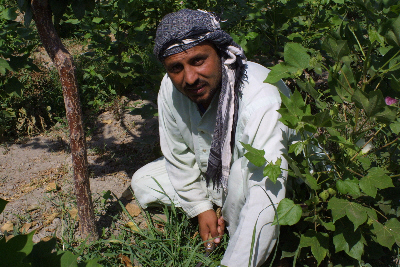
Palestinian farmers face a myriad of challenges. In the “West Bank,” Israel’s so-called “Security Barrier” has walled them off from their olive and vegetable groves. Farmers in Gaza are liable to be shot by soldiers manning Israel’s “security” perimeter.