https://www.greenplanetmonitor.net/wp-content/uploads/2026/10/nuremberg_trials._looking_down_on_defendants_dock_circa_1945-1946._-_nara_-_540127-960x600.jpg
Featured

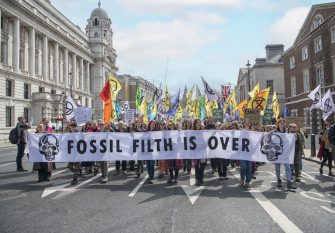
London’s largest ever public protests for climate and Earth justice have come to a close. An estimated hundred thousand attended the four-day event, organized by Extinction Rebellion and other UK groups, rallying around the theme, “Unite to Survive.”
Podcast (the-green-blues-show): Play in new window | Download
Subscribe: RSS
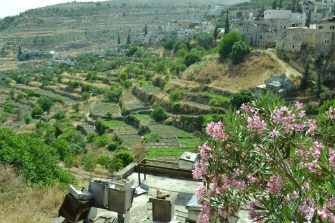
A Palestinian village called Battir — food culture under settler-colonial rule. What were humans like a hundred thousand years ago, and what have they done to the planet? And, the restorative powers of sleep. For both body and mind.
Podcast (the-green-blues-show): Play in new window | Download
Subscribe: RSS
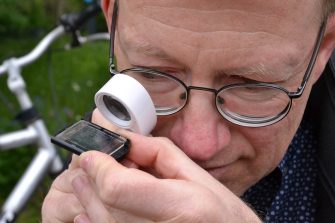
Fermented foods — very nutritious, very magic. Taking stock of biological diversity, using DNA barcodes. And, a frightening vision of a warming planet – Hothouse Earth.
Podcast (the-green-blues-show): Play in new window | Download
Subscribe: RSS
Ice sheets melting, oceans rising, currents shifting … Sex and the brain; women’s and men’s brains are different … and sonic violence in Lebanese airspace; Israeli fighter jets and drones invade Lebanese skies, every day, every night.
Podcast (the-green-blues-show): Play in new window | Download
Subscribe: RSS
The geology of cities. Built out of stuff mined from the ground. That’s where all cities will end up — broken down and fossilized. Forever chemicals, they’re called. In non-stick cookware, cosmetics, clothing. They last forever, and they’re toxic. And … All those bacteria living on us and in us, delivering crucial services. Nothing more amazing than the bacteria in the gut of a pregnant woman, steering healthy fetal development.
Dimitri Lascaris is a Canadian lawyer, journalist and activist, based in Montreal and southern Greece. Lascaris is now on his way to Russia, to learn more about the origins of its war with Ukraine through the eyes of Russians themselves. The Green Planet Monitor reached Dimitri Lascaris in Beirut.