
A Conversation About Iran With Ervand Abrahamian
Podcast (the-green-blues-show): Play in new window | Download
Subscribe: RSS
Battered and bloodied by US and Israeli bombs and missiles, weakened by years of economic sanction and US maritime blockade, Iran still thinks it’s come out on top.
It may be right. Donald Trump and Benjamin Netanyahu seem to think so, and are clearly frustrated.
Donate with a $15/monthly subscription
The Israeli Prime Minister spoke with Trump at least twice this past week. Read-outs of their phone conversations (there have been dozens of calls and personal visits to the White House since the start of their war) have not been released, but we can imagine what the two discussed.
Netanyahu, the subject of an arrest warrant by the International Criminal Court, for alleged war crimes and crimes against humanity in besieged, occupied Gaza, almost certainly pressed Trump, a convicted felon, for an end to their supposed cease-fire with the Islamic Republic, and a resumption of savage bombing.
Israel-USA’s declared aim: preventing Iran from developing a bomb.
Washington’s position has always been clear: Only Israel has the right to enrich uranium and amass a nuclear weapons arsenal — undeclared and exempt from international inspection — and to threaten to nuke its neighbors.
Israel’s aim is much more expansive: annihilating the Islamic Republic; fracturing it into a patchwork of ethnic entities; pushing it into crippling chaos.
Will Trump agree to start bombing Iran again? Netanyahu, a staunch advocate of permanent war against the self-declared ‘Jewish’ state’s neighbors, does have a knack for pulling Trump by the nose.
‘Bibi’ is “a very good man,” Trump insisted, a few days after their phone talks, but he, Trump, is in charge.
Netanyahu “will do whatever I want him to do,” Trump reassured a crowd of corporate media flacks, somewhere between Washington and his Florida golf course. None of them asked about Israel’s nuclear arsenal.
Judging from recent developments in the Persian Gulf, Iran will actually do what it wants to do.
Within hours of Trump’s blustering claim that he, not Israeli’s indicted war criminal, is calling the shots, and that Iran will never, ever get a nuclear bomb, the Islamic Republic announced that its far more powerful nuclear option has been fine-tuned.
Henceforth, Tehran declared on X (where pronouncements of this sort are made), all maritime traffic through the Strait of Hormuz — from the waterway’s eastern portal, between Kuh-e Mobarak in Iran and Fujairah in the UAE, to its western end, across the narrow strait between Qeshm Island in Iran and Umm al-Quwain in the UAE — will be managed by a freshly minted Persian Gulf Strait Authority (PGSA).
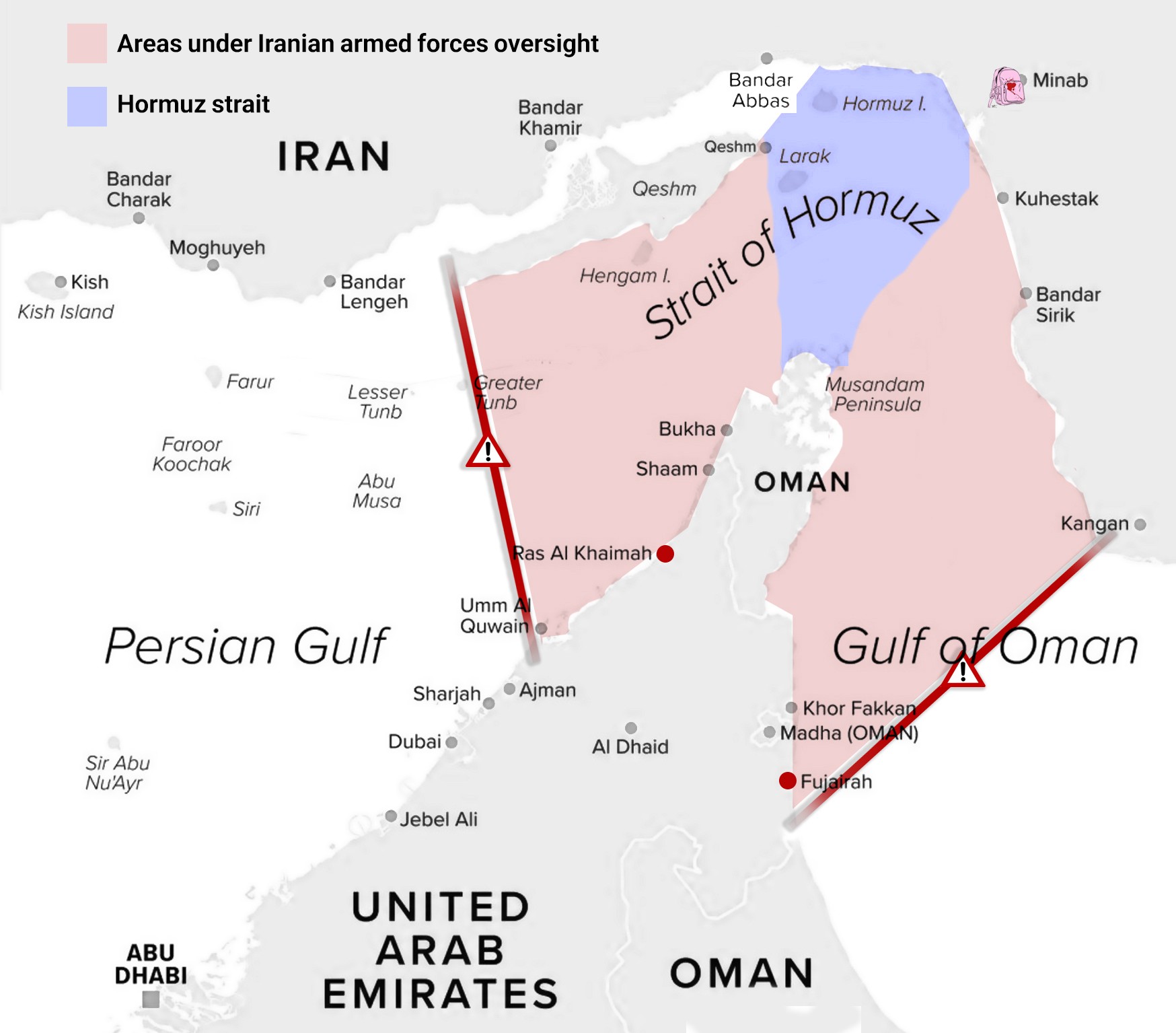
Alternatively pegged at a dollar per barrel of transported oil, or a $2 million flat fee, PGSA transit tolls must be shelled out in advance, in crypto currency.
Iran’s transit toll appears to expand on an earlier, more modest levy, two months and a bit after Israel-USA launched its war against Iran, in flagrant breach of Article 2(4) of the UN Charter .
“Iran’s demands over the Strait of Hormuz demonstrate that Iranian officials believe they won the war,” says Washington-based Institute for the Study of War.
They’ve certainly turned the table on the conjoined twins who’ve been assaulting them.
For his own thoughts on whether this is so, and on rapidly evolving associated events in Iran today, the GPM spoke with a distinguished scholar on all matters Iranian.
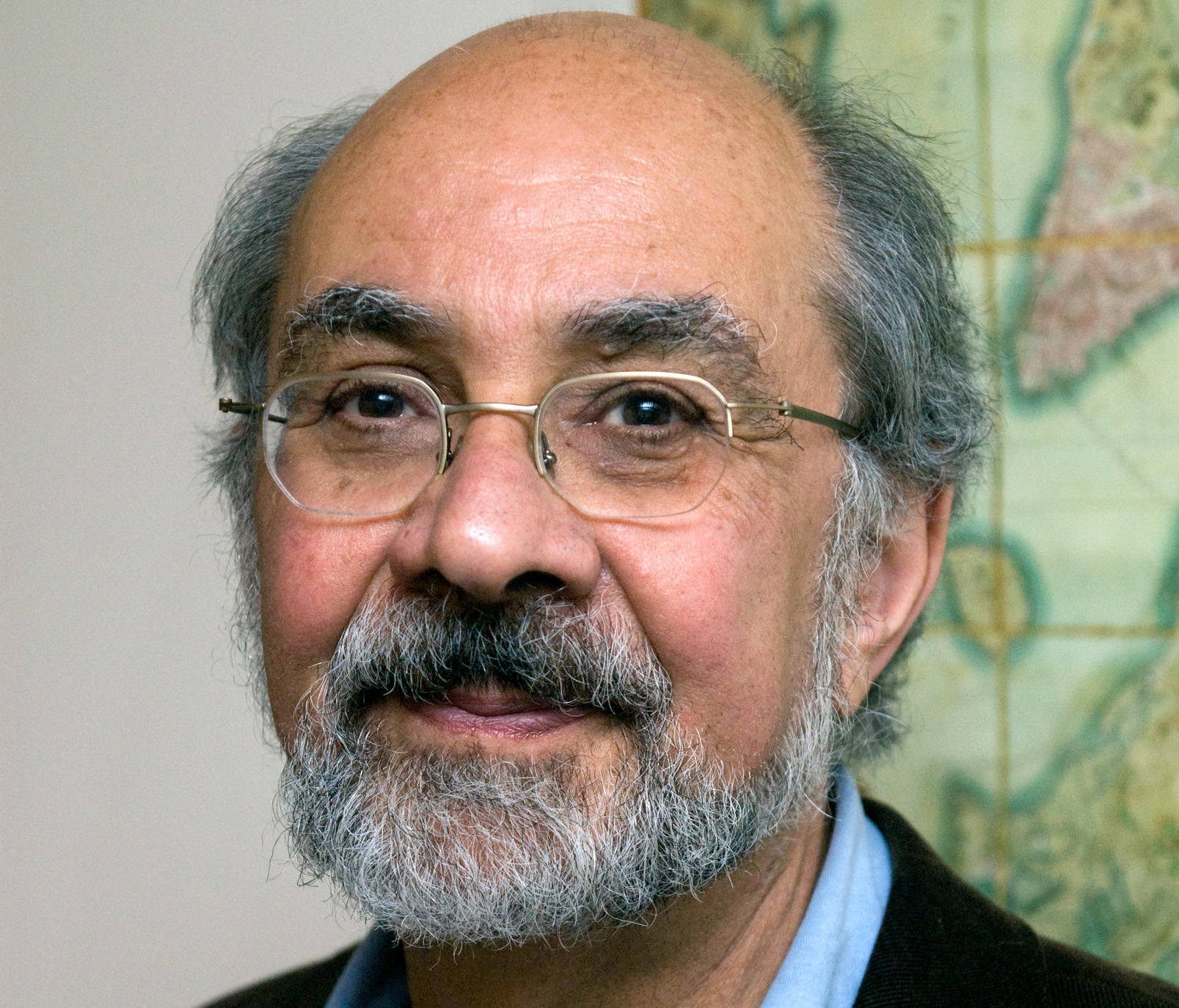
Ervand Abrahamian is a Professor of History at Baruch College and Graduate Center of the City University of New York. Among the books he’s authored: Iran Between Two Revolutions (1982), Khomeinism: Essays on the Islamic Republic (1993), Tortured Confessions: Prisons and Public Recantations in Modern Iran (1999), Inventing the Axis of Evil: The Truth About North Korea, Iran, and Syria (2004), and A History of Modern Iran (2008).
Professor Abrahamian’s latest work, Oil Crisis in Iran – From Nationalism to Coup d’Etat, explores the motivations of the US-UK-engineered overthrow of Iranian Prime Minister Mohammad Mossadeq, back in August 1953, based on an analysis of previously unreleased diplomatic communications.
Continued favourable access to Iranian oil was the key driver of the CIA-MI6-engineered coup, Abrahamian argues, not fears of Soviet influence over the democratically elected Mossadeq administration, at the height of the Cold War.
The GPM sat down with Professor Ervand Abrahamian at his Brooklyn home, across the East River from the United Nations. Listen to our conversation in today’s podcast. Click on the play button above, or go here.
Donate with a $15/monthly subscription
Listen to our complete conversation here:

Latest Comments
[…] US military nuclear testing site. At the time, residents were relocated to nearby Rongerik and Kwajalein atolls before arriving at Kili Island in […]