https://www.greenplanetmonitor.net/wp-content/uploads/2026/10/nuremberg_trials._looking_down_on_defendants_dock_circa_1945-1946._-_nara_-_540127-960x600.jpg
Featured

Podcast (the-green-blues-show): Play in new window | Download
Subscribe: RSS
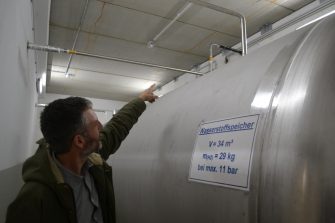
Old songs linger in your head. Mobile phones are covered in germs. On the path to zero carbon emissions, hydrogen is a no-brainer.
Podcast (the-green-blues-show): Play in new window | Download
Subscribe: RSS
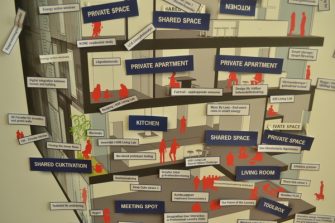
Young Israelis who refuse to serve in the military. And, as climate catastrophe sweeps the planet, in the Swedish city, Goteborg, engineers and students are designing the sort of building where people can live – comfortably — without squandering Earth’s limited resources, or polluting its atmosphere
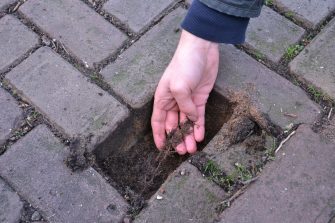
Drug-resistant infections – the new pandemic? And, a tangled network of tiny tubes, pulsating beneath our feet. Fungal networks below ground sustain life above.
The A-word seems apt. How better to describe Israel’s national Covid vaccination campaign? Since December 20, Israeli health authorities have administered jabs of the Pfizer vaccine to an astonishing quarter of Israel’s ‘official’ population, while reportedly denying the vaccine to the five million Palestinians living under military rule in the occupied/colonized West Bank and Gaza.
While fierce criticism of the State of Israel is routinely declared “antisemitic” by Israel’s defenders, no one is more outspoken in their condemnation than Jewish Israelis themselves. Ronnie Barkan is a case in point. Listen to our conversation.
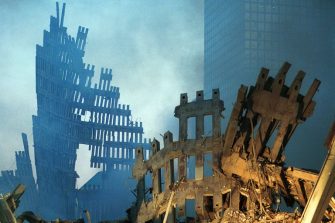
Shit doesn’t just happen. Stock market crashes, multi-vehicle pileups, the collapse of tall buildings, wildfires, viral pandemics … None of these phenomena have a single, simple explanation. Rather, they all result from a multitude of events, factors and situations — proximal, distal and invariably complex. Thomas Homer-Dixon is a complexity theorist. Listen to our conversation.