Israel plays a host of key roles in today’s troubled world: Jewish homeland. Bastion of peace and democracy in the troubled Middle East. Clever “start-up nation” the world can turn to for smart solutions. Israeli-American activist Jeff Halper pinpoints a darker niche.
Places
ArticlesPhysical abuse, assassination, bribery, the use of human shields, looting … These are among the acts former Israeli soldiers describe to Israeli NGO Breaking the Silence in the course of interviews about their service in the occupied Palestinian territories.
I took off for Hebron on a Sunday morning. Throngs of Israeli soldiers filled the bus station, soldiers on the move, barely more than teenagers, large backpacks and automatic weapons flung over their shoulders, smart phones in their hands.
Imagine an electric-powered fleet of Canada Post vehicles, along with vehicle charging stations at post offices. And postal banking, where loans could be secured for renewable energy installations and home energy retro-fits. Listen up.
I’ve always hung out on the margins, with all the other misfits, freaks and queers; on the edge, the border between femininity and masculinity, between brownness and whiteness, a standpoint that offers me a unique worldview.
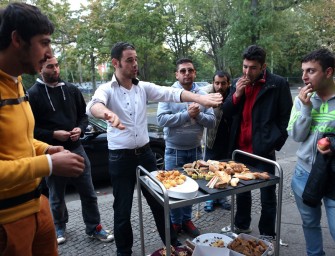
Once it was clear the number of refugees arriving in Germany would top one million, reactions varied dramatically. Months later, a divided society is still debating its role as a refuge for the second time since the end of the cold war.
Last fall I rode 1500 miles from Taos, New Mexico to New Orleans on a 1983 Yamaha xs-650. It was my first solo, long distance bike trip and New Orleans — a legendary city — seemed like a good destination.
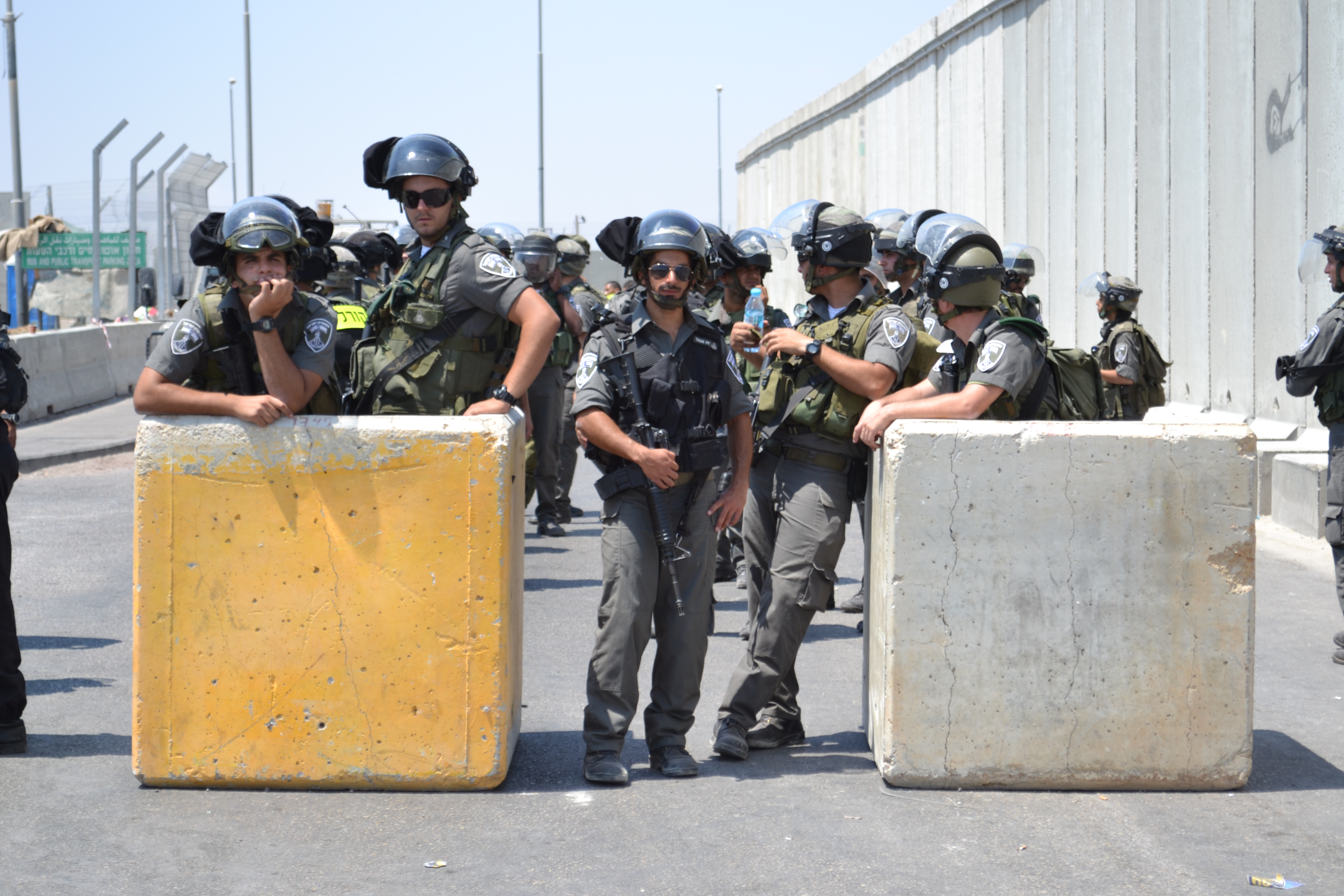
Checkpoint 56, in Israeli-occupied Hebron, is a fearsome sight to behold. Flashed before your eyes in a Rorschach test, it could be taken for a high-voltage substation, or an industrial meat grinder.
Rob Kendrick — aka Shakydad — is a highly successful guy with Parkinson’s Disease. Listen to him reflect on the challenges and changes Parkinson’s has offered up, for worse and for better.
A mild mid-March in Canada’s notoriously frigid prairie capital cannot be definitively pinned on global climate change. Still, for anyone willing to listen, read and watch, the writing is on the wall. Earth is warming — and fast.
Camphill residents would never describe their community as an institution. It’s home, community, and a way of life.
Up to twenty percent of working musicians get struck by focal dystonia at some point. So do writers, athletes, craftspeople … an estimated 300,000 North Americans. The underlying problem? Normal brain plasticity gone rogue.
A year-round program of bi-communal basketball games helps Greek and Turkish Cypriot teens shed stereotypes and make friends while modeling coexistence on a divided island.
It’s not a new or unique story. The factories in a blue-collar industrial town grow silent and the character of the city surrounding them is transformed.
When the early organizers of a union for United Church ministers approached the Canadian Autoworkers in 2004, they had no idea that they were creating a whole new way for workers to organize.
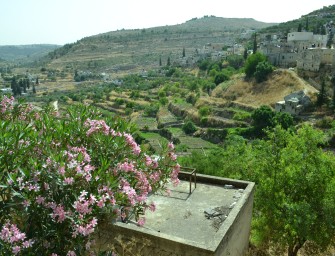
Palestinians are glad the 1994/95 Oslo accords granted them nominal control over Bethlehem and her cultural treasures, and it isn’t just the dwindling Christian minority in this town of 25,000 that’s smiling.
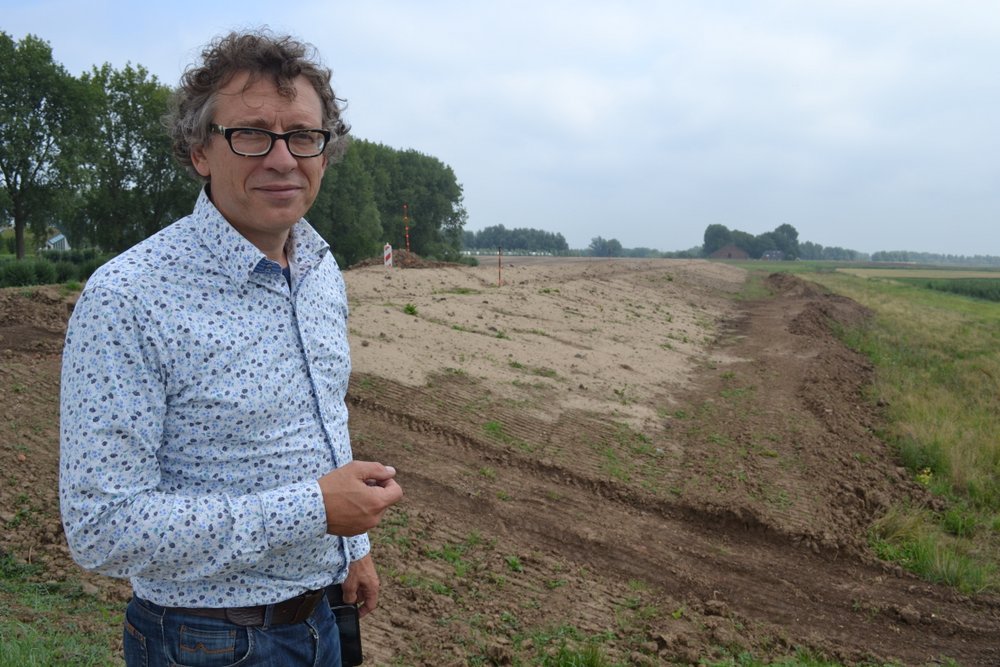
Rising seas linked to global climate change pose a major threat to coastal cities around the world. Who better to turn to for nature-based flood control systems than the Dutch?
Israel is referred to by Western governments and mainstream media as a beacon of democracy in a uniformly undemocratic region. A starkly different perspective is showcased in a recent UN report.
Recent studies report that a glass of wine in the evening is good for your heart. This may be so, but a bottle of wine is not something you’d expect to buy at a hospital. In the French city of Strasbourg, you most definitely can.
Back in 2012, on a visit to the occupied Palestinian territories, I set out to speak with someone who refers to these gorgeous lands as “Judea” and “Samaria.” That is to say, with a Jewish settler.

Latest Comments
[…] US military nuclear testing site. At the time, residents were relocated to nearby Rongerik and Kwajalein atolls before arriving at Kili Island in […]