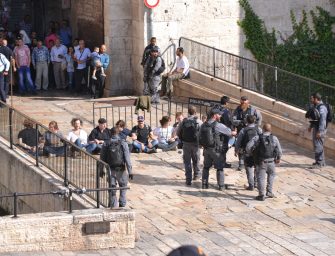
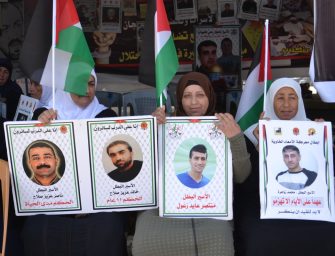
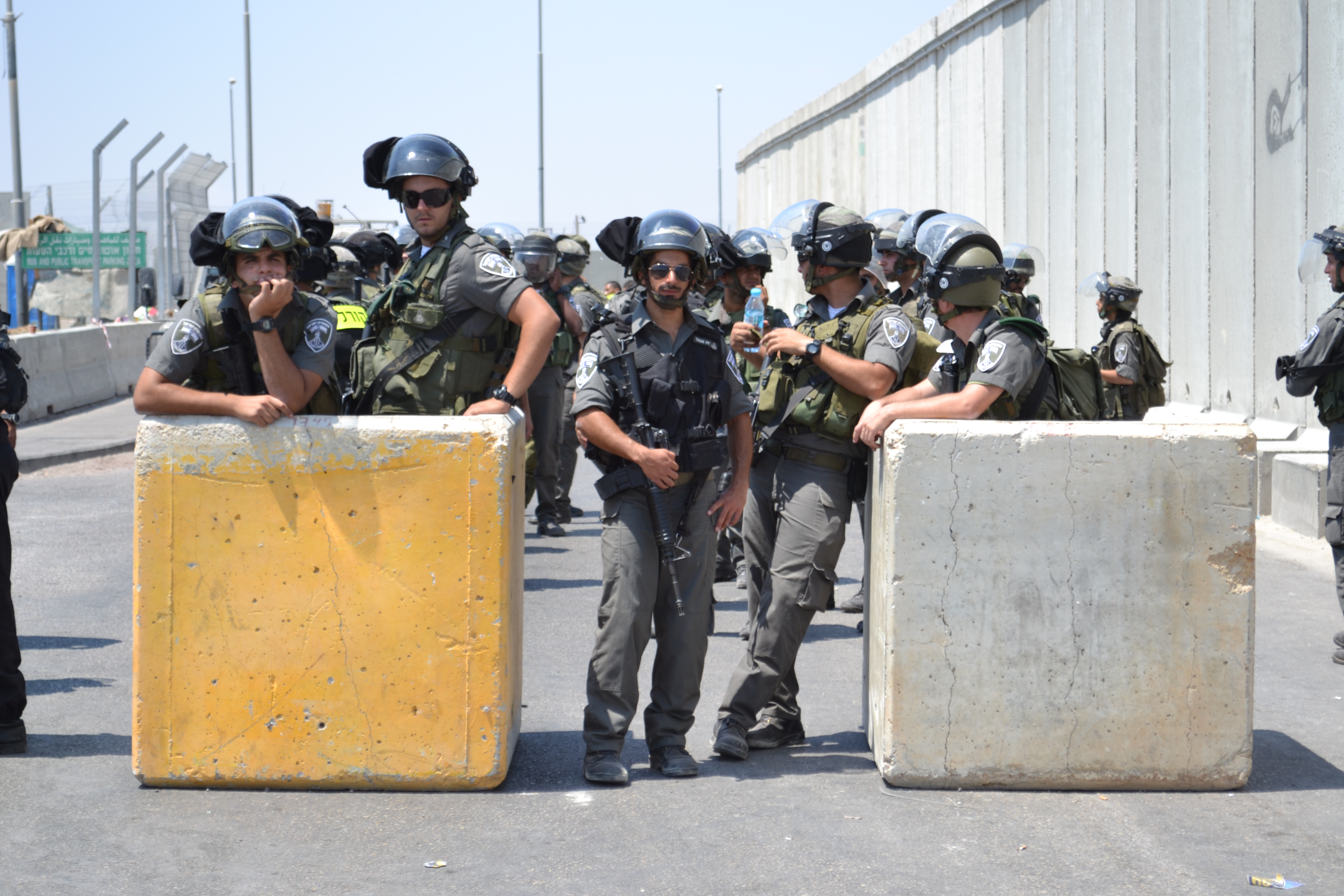
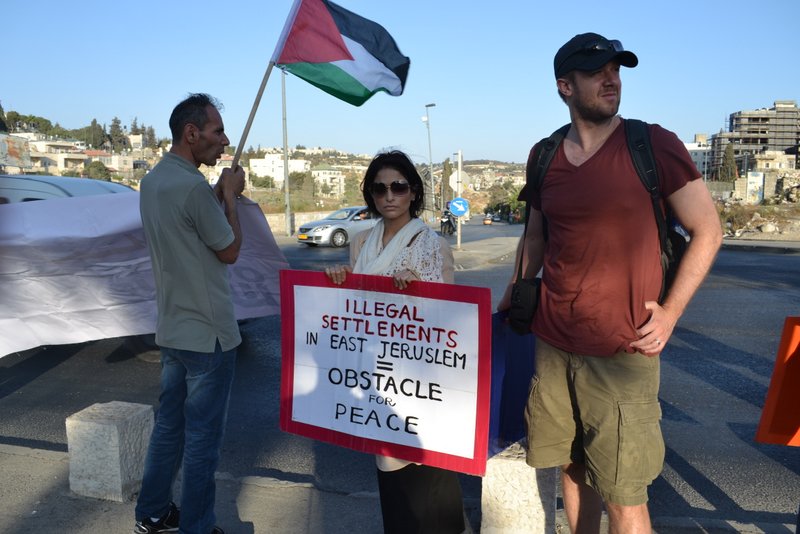
At this week’s annual Jerusalem Day march, Jewish-American and Israeli opponents of Israel’s permanent occupation faced off against ecstatic Zionists at the old city’s Damascus Gate.
All posts by Green Planet Monitor
Men are from Mars, women from Venus, a bestseller claims. Science confirms: male and female brains are wired differently, possibly explaining a lot,
How it is that brains shed memory, while sparing lyrics and music, is one of neuroscience’s great mysteries. Can hardy music circuits jog cognition and speech? Hopes are high.
Of all the acts committed by German troops at the start of World War One, none sparked more outrage than the destruction of the medieval library of the Flemish University of Leuven.
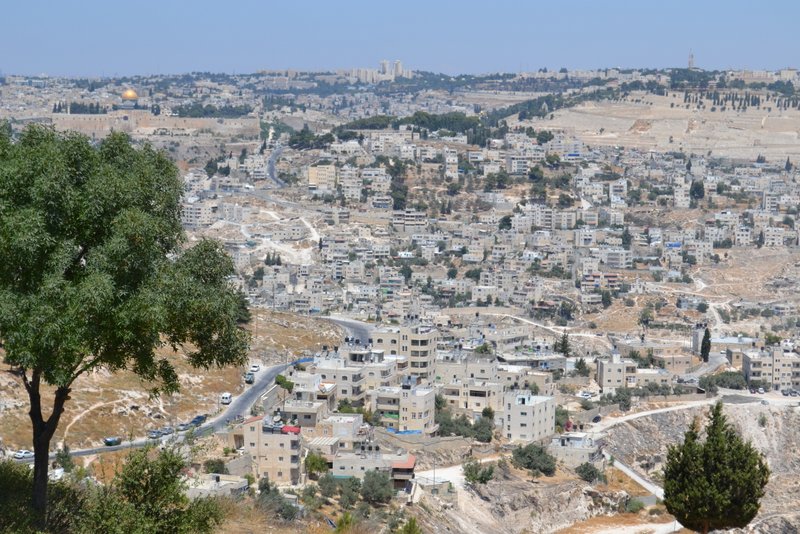
As Donald Trump ponders whether or not to move the US Embassy in Israel to Jerusalem – endorsing Israel’s claim to the city as its “eternal, undivided capital” – Israel moves heaven and earth to cleanse East Jerusalem of its Palestinian residents.
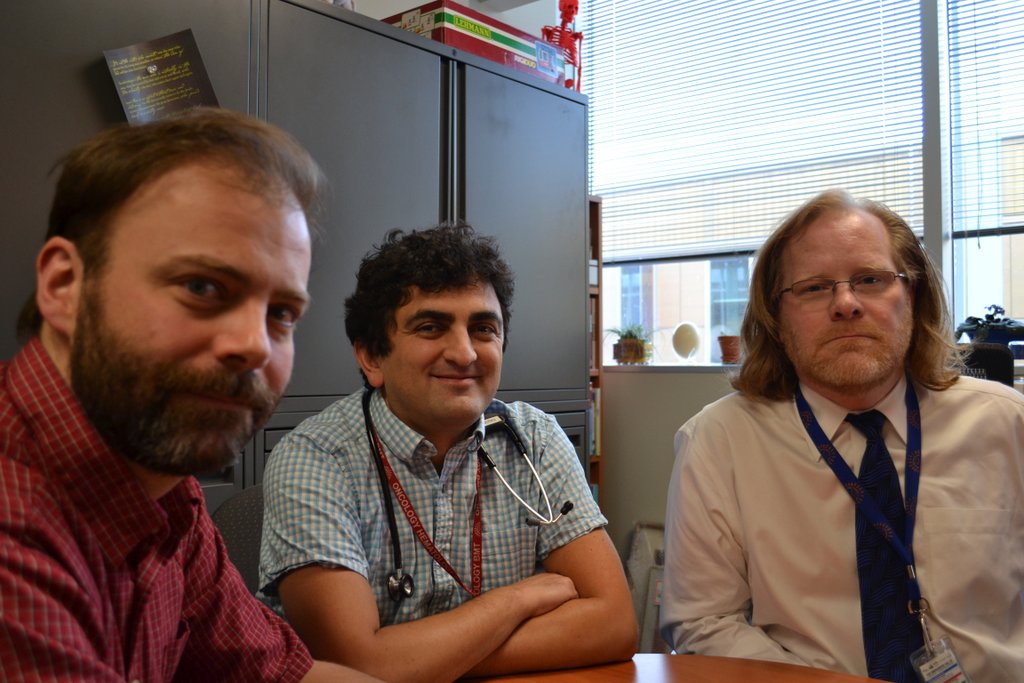
A first-of-its kind web portal helps clinicians and geneticists around the world to match symptoms they’ve never seen before with known mutant genes — and to provide firm counseling to patients in search of answers.
Rising seas linked to climate change pose a major threat to coastal cities around the world. Dutch engineers are designing nature-based flood control systems that are cheap, effective, and environmentally friendly.
In seven days Donald Trump will be President of the United States. Among the most tantalizing prospects for this new epoch: the radical transformation of US policy on Israel and Palestine.
In international relations, it’s the law of the jungle. The five most powerful countries on Earth get to pick and choose which international laws they’ll abide by, doling out slices of impunity to allies and clients.
Issa Amro has been a human rights defender in Israeli-occupied Hebron since the early 2000s. On November 23, he’ll stand before a military court outside Ramallah, charged with “incitement,” organizing illegal activities, being in a “closed military zone” and insulting police.
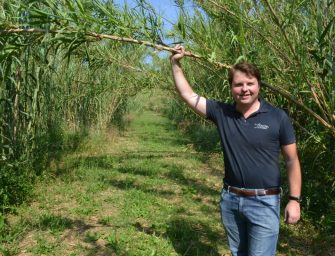
The seductive voice of a clarinet. The wild wail of a tenor sax. The whimsical tones of a bassoon or oboe. Each of these sounds is produced by blowing air over a thin reed sliced from a cane stalk. Most cane reed is produced in the Var region of southern France.
We use lots of items in our daily lives. We use them and then throw them away, or perhaps recycle them when they wear out or get damaged. Then again, some of us prefer to repair for re-use — at a Repair Cafe.
Bacteria and fungi, Earth’s quintessential biochemists, are famous for the odd molecules they produce. But human beings are no slouches. According to one estimate, global commerce swells with thousands of industrial chemicals, many completely novel, some very toxic
Thirty-five years after gaining independence, Belize, Central America’s youngest nation, stands on a cusp of development that will either protect crucial wildlife habitat or gradually lose it to wide-scale agriculture.
For those who thought that corporate concentration in the food industry couldn’t get tighter, wake up and smell the coffee. The Big Six seed and farm chemical producers are now on the verge of coalescing into three. Amazon may soon be the world’s biggest supermarket.
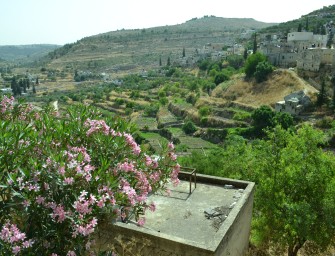
Standing on the edge of little Battir, I feasted my eyes on an astonishing sight: an amphitheater of ancient stone terraces covered in a cornucopia of fruits, vegetables, herbs and trees — including olive trees over a thousand years old.
When Heather Majaury left the Ottawa Valley for university after high school, it was the start of a whole new journey. And it wasn’t just about the usual transitions from being a teenager to a young adult. It was the birth of a whole new sense of identity.
Fair trade — as opposed to Free Trade — puts farmers, workers, communities and the health of the planet ahead of national trade balances and corporate profits. Listen to the voices of fair traders gathered in Winnipeg for their national convention.
Israel plays a host of key roles in today’s troubled world: Jewish homeland. Bastion of peace and democracy in the troubled Middle East. Clever “start-up nation” the world can turn to for smart solutions. Israeli-American activist Jeff Halper pinpoints a darker niche.
Physical abuse, assassination, bribery, the use of human shields, looting … These are among the acts former Israeli soldiers describe to Israeli NGO Breaking the Silence in the course of interviews about their service in the occupied Palestinian territories.
I took off for Hebron on a Sunday morning. Throngs of Israeli soldiers filled the bus station, soldiers on the move, barely more than teenagers, large backpacks and automatic weapons flung over their shoulders, smart phones in their hands.
Imagine an electric-powered fleet of Canada Post vehicles, along with vehicle charging stations at post offices. And postal banking, where loans could be secured for renewable energy installations and home energy retro-fits. Listen up.
I’ve always hung out on the margins, with all the other misfits, freaks and queers; on the edge, the border between femininity and masculinity, between brownness and whiteness, a standpoint that offers me a unique worldview.
Once it was clear the number of refugees arriving in Germany would top one million, reactions varied dramatically. Months later, a divided society is still debating its role as a refuge for the second time since the end of the cold war.
Last fall I rode 1500 miles from Taos, New Mexico to New Orleans on a 1983 Yamaha xs-650. It was my first solo, long distance bike trip and New Orleans — a legendary city — seemed like a good destination.
Checkpoint 56, in Israeli-occupied Hebron, is a fearsome sight to behold. Flashed before your eyes in a Rorschach test, it could be taken for a high-voltage substation, or an industrial meat grinder.
Rob Kendrick — aka Shakydad — is a highly successful guy with Parkinson’s Disease. Listen to him reflect on the challenges and changes Parkinson’s has offered up, for worse and for better.
A mild mid-March in Canada’s notoriously frigid prairie capital cannot be definitively pinned on global climate change. Still, for anyone willing to listen, read and watch, the writing is on the wall. Earth is warming — and fast.
Camphill residents would never describe their community as an institution. It’s home, community, and a way of life.
Will global capitalism eventually wean itself off fossil fuels? Can wind, solar, geothermal and other renewable energy sources generate enough joules to drive permanent economic growth? Should carbon emissions be taxed?
Up to twenty percent of working musicians get struck by focal dystonia at some point. So do writers, athletes, craftspeople … an estimated 300,000 North Americans. The underlying problem? Normal brain plasticity gone rogue.
A year-round program of bi-communal basketball games helps Greek and Turkish Cypriot teens shed stereotypes and make friends while modeling coexistence on a divided island.
You are what you eat — so the saying goes. In fact, the trillions of bacteria inhabiting your gut also eat what you eat, and turn meals into molecules that affect your brain.
An estimated ten percent of Canadians struggle with depression, flashbacks and panic attacks associated with Post-Traumatic Stress Disorder (PTSD). So do 14,000 Canadian veterans. Locked brain circuits may be to blame.
When the early organizers of a union for United Church ministers approached the Canadian Autoworkers in 2004, they had no idea that they were creating a whole new way for workers to organize.
Insomniacs are more than just lonely. Their brains are less flexible. A good night’s sleep re-wires grey matter and sheds chemical waste, boosting healthy brain activity in the day.
Things constantly change. Everyone knows it. Steady, sometimes sudden change provides contour to individual human lives. Now, it seems humans have changed planet Earth like it’s never been changed before.
Welcome to Fast Forward: Stories of Challenge & Change — a brand new series of the Green Planet Monitor’s about life on Earth. Join us over the next four months. Listen, Read, Watch.
Palestinians are glad the 1994/95 Oslo accords granted them nominal control over Bethlehem and her cultural treasures, and it isn’t just the dwindling Christian minority in this town of 25,000 that’s smiling.
Like Earth’s climate, Manitoba Hydro’s office tower — in the city of Winnipeg — is an integrated system. As Earth’s climate warms, energy efficient buildings like this will be in demand.
Rising seas linked to global climate change pose a major threat to coastal cities around the world. Who better to turn to for nature-based flood control systems than the Dutch?
Israel is referred to by Western governments and mainstream media as a beacon of democracy in a uniformly undemocratic region. A starkly different perspective is showcased in a recent UN report.
Recent studies report that a glass of wine in the evening is good for your heart. This may be so, but a bottle of wine is not something you’d expect to buy at a hospital. In the French city of Strasbourg, you most definitely can.
Back in 2012, on a visit to the occupied Palestinian territories, I set out to speak with someone who refers to these gorgeous lands as “Judea” and “Samaria.” That is to say, with a Jewish settler.
As the world holds its breath, waiting for Israel to demolish the little village of Susya, in the occupied West Bank, here’s a report to listen to from back in 2012. Today, Susya’s destruction could come at any moment.
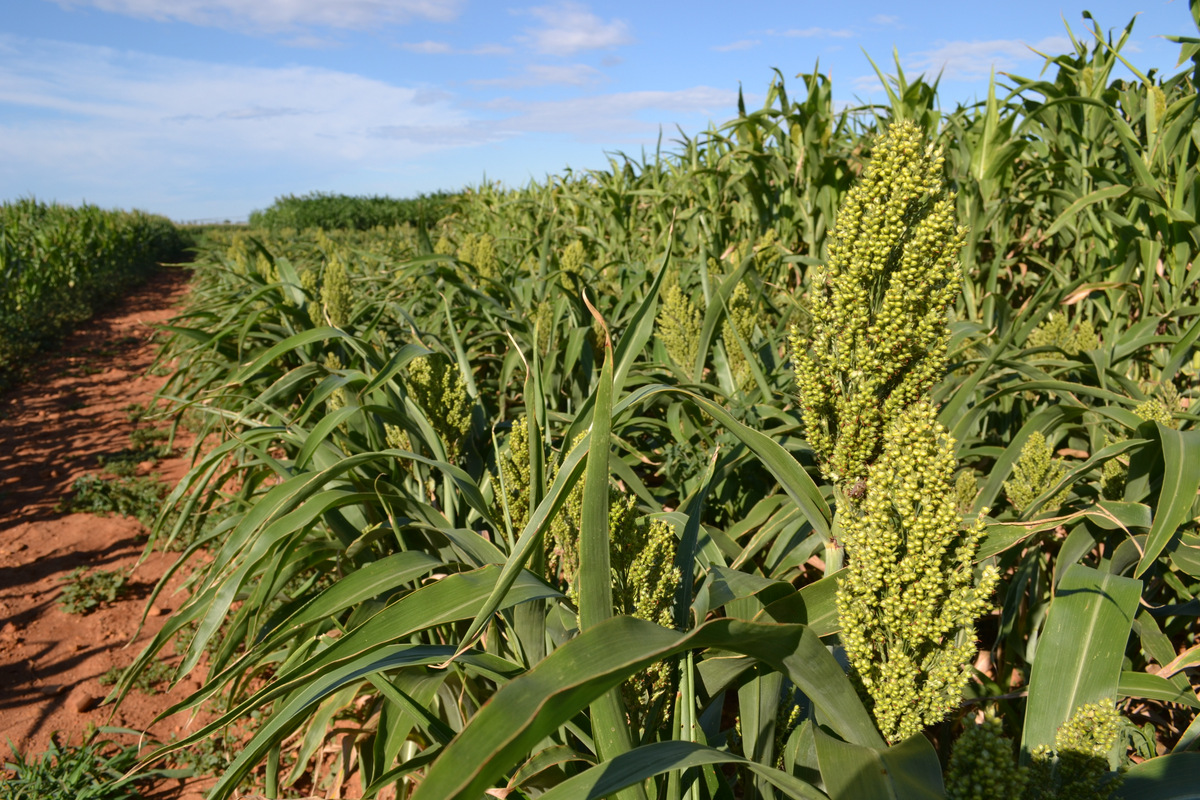
In an agronomy lab and farm field in Montpellier, France, scientists are uncovering the secrets of one of the world’s great crops. The potential spin-offs for global green economies are huge.
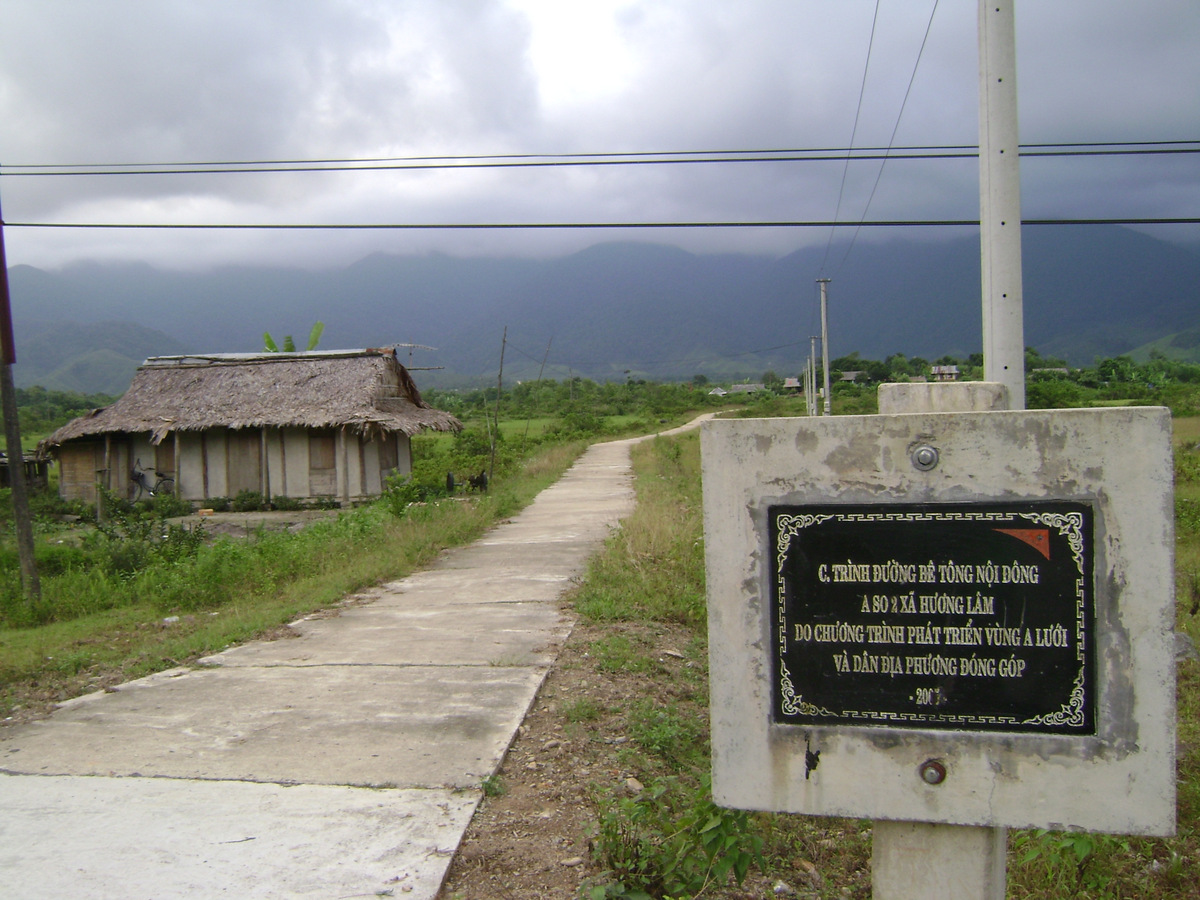
The fortieth anniversary of America’s hasty retreat from Vietnam is upon us. A true memetic moment, that frantic, April 25, 1975 escape from the US Embassy rooftop is engraved in popular consciousness. The toxic legacy of the war is less known.
Picture a landscape buried beneath a sky-high heap of dead plants and animal corpses. This is what Earth’s surface would look like if it weren’t for fungi. Fungi are the biosphere’s recyclers. Human society depends on them absolutely.
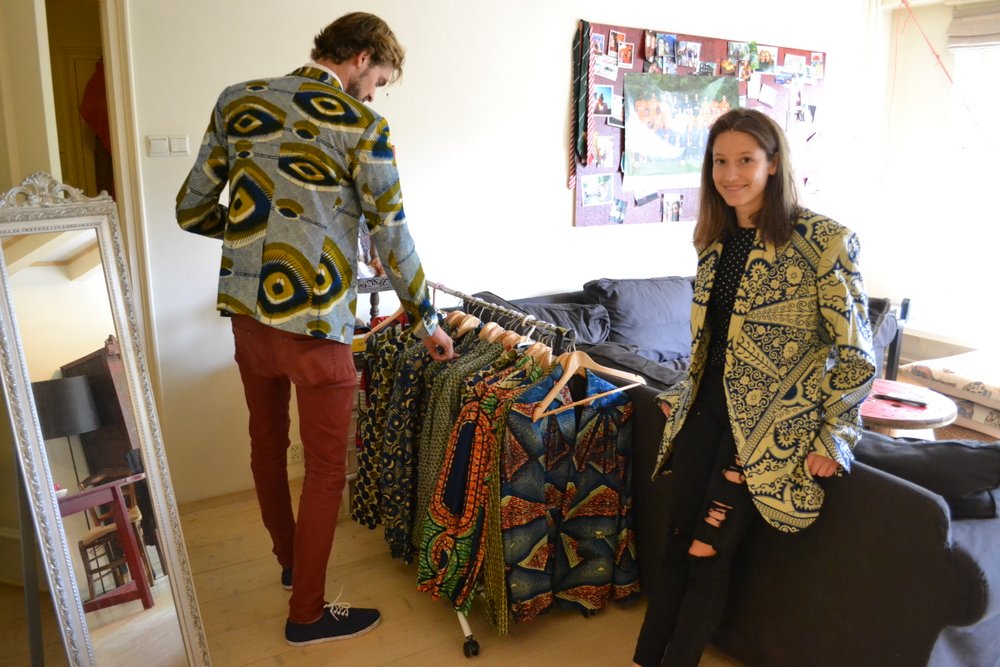
Mention Rwanda to someone, what comes first to their mind? Bloody genocide, most likely; certainly not swank men’s fashion. Think again.
So-called “industrial economies” on Earth value money above all else, while squandering finite resources and poisoning their little blue-green planet.
First in a series of fragmentary voice transmissions from a planet in crisis. Earthlings speak about the place they call home.
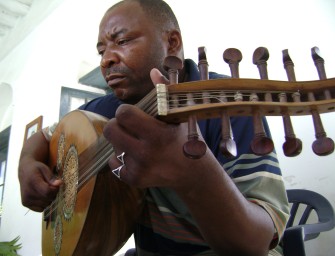
Twenty-four hours in Zanzibar. What’s a person to do? Following up on a contact, I go visit the Dhow Countries Music Academy … and am amazed.
Human beings are coming up with all sorts of ingenious ways to walk gently on planet Earth.
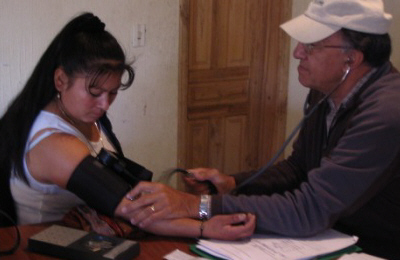
There’s a quiet killer living in the walls of traditional adobe houses in Central and South America. You can’t see it; you can’t hear it. It sneaks out at night, crawling or tumbling into your bed.
Plants that grow from seeds are the foundation of humanity’s food supply. Wheat, barley, oats, corn, potatoes and a dizzying variety of beans and legumes … Conserving these seeds of survival is one of humanity’s greatest challenges.
Earth is a dynamic planet — continually twisting and turning — as this fragmentary recording testifies.
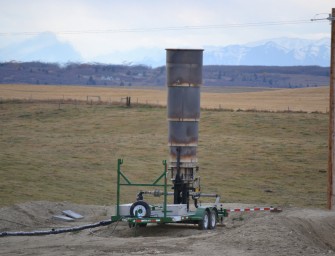
In the rolling foothills of the Canadian Rockies, where cattle peacefully graze and ranchers retire to handsome chalets, a purple haze hovers. Fracking is being blamed not only for air pollution, but for a litany of health complaints.
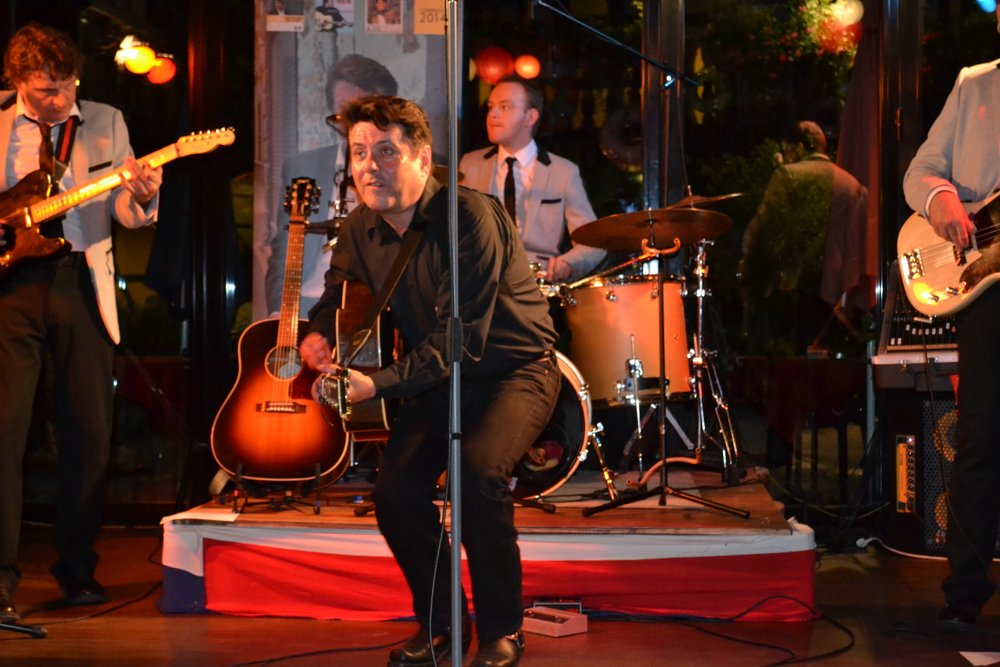
For those in need of a Johnny Cash fix, Winnipeg-native Marcel Soulodre is a guy to listen to. But you’ll need to hop on a plane. Marcel is currently paying homage to the late-great American country singer in bistros across Europe.
Palestine has filed action against Israel at the International Criminal Court — a move Washington and its ally have denounced. Do Israel’s occupation, its settlement enterprise and assault on Gaza violate international law?
The universal point of view from Washington and European capitals is that Israel has the right to defend itself against rockets fired from Gaza. Eric David, an eminent Belgian expert in international law, takes a different position.
Of all the medical afflictions a person or family can suffer from, none is as burdensome as a rare genetic condition that hasn’t even been named. Winnipeg physician-geneticist Cheryl Greenberg advocates for patients.
This coming spring will mark the twenty-second anniversary of the Rwandan genocide. An estimated eight hundred thousand were killed by ethnic Hutu extremists armed with knives, hoes and machetes. Over the radio, venom flowed.
The Israeli Committee Against Home Demolitions (ICAHD) runs tours of Palestinian East Jerusalem. Visitors from around the world learn the ins and outs of Israel’s occupation.
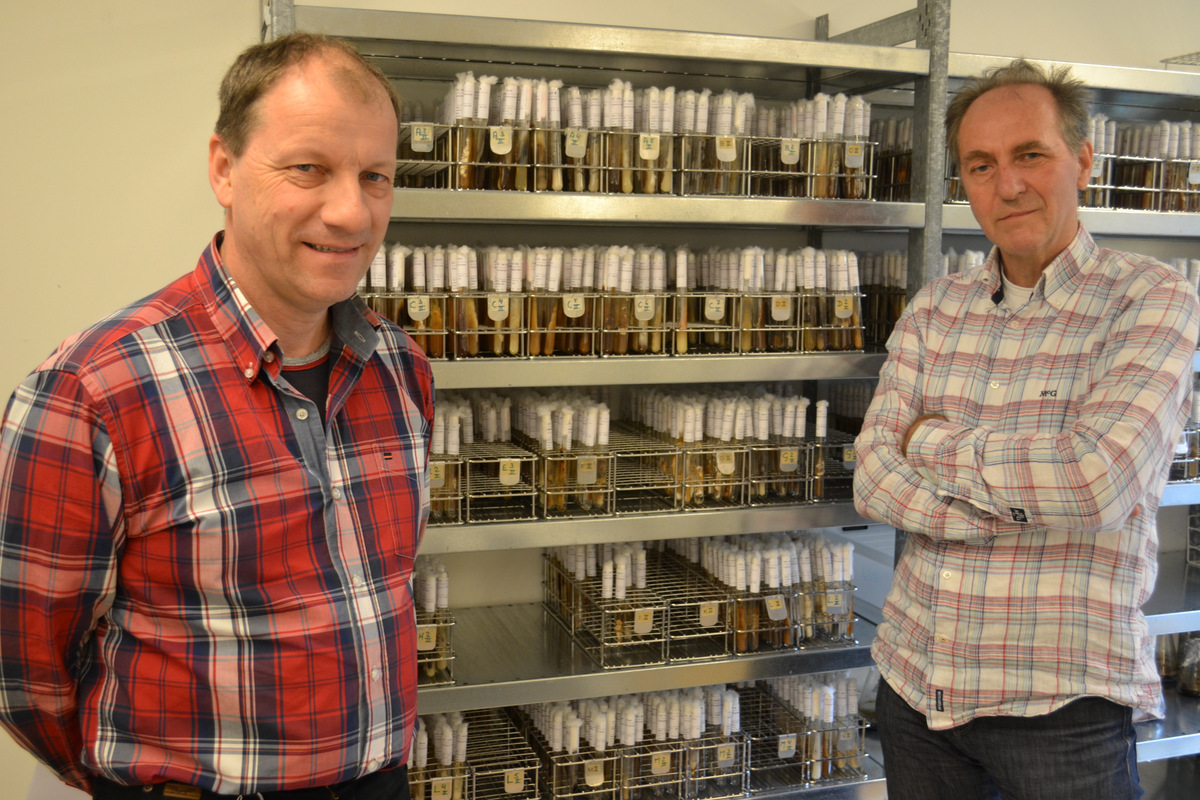
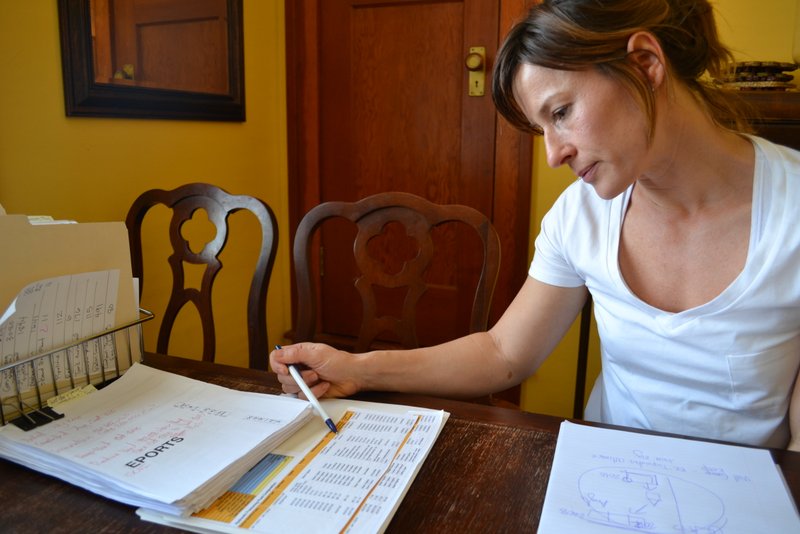
Rosie Redfield spat in a tube and mailed it to a Mountain View, California outfit called 23andMe. A month later, the University of British Columbia geneticist and MOOC instructor received the results by email.
On the occasion of Winnipeg’s annual “Negev Gala,” organized by the Canadian chapter of the Jewish National Fund, a couple of dozen local activists (quite a few of them Jewish) gathered in humorous protest.
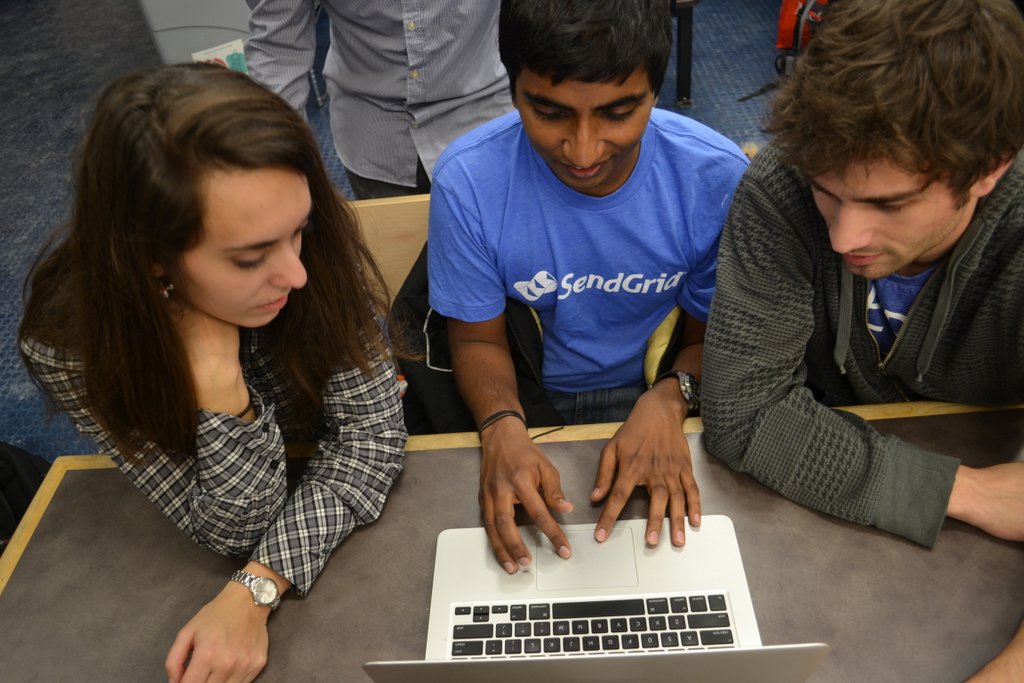
Debron, Luke and Paula huddle around a laptop in a McGill University cafeteria, absorbed in an online game. No dreadful monsters, zombies or bloody explosions here. Phylo is much more serious than that.
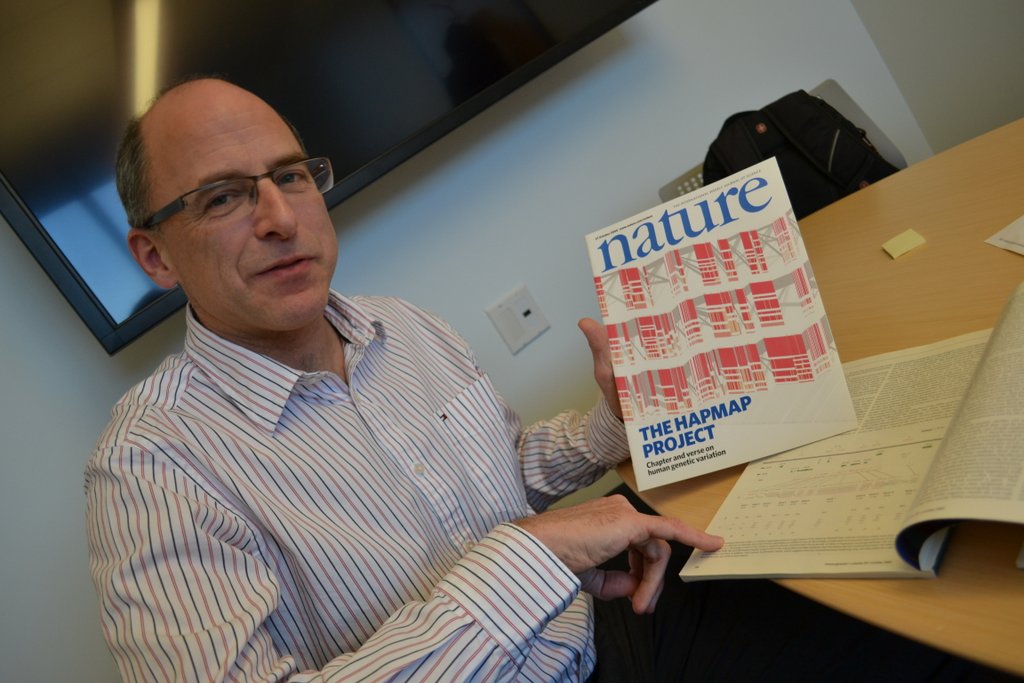
Tom Hudson is a busy guy. Few have contributed more to our understanding of how the human genome works — and how to map it, using ‘haplotypes’ — than this congenial native of Arvida, Quebec. .
There’s hardly a facet of drug action that isn’t determined in some way by our DNA — by our genome. On a recent trip to Vancouver, I visited the offices and labs of the Canadian Pharmacogenomics Network for Drug Safety.
The “Nakba” began in late November 1947, six months prior to Israel’s declaration of independence. When it was through, some 750,000 Palestinians had fled, and an estimated four hundred villages were demolished.
Have you ever popped the recommended dose of an over-the-counter analgesic, and it did absolutely nothing? Or perhaps you suffered a life-threatening adverse reaction. If so, you’re in large company.
As Earth’s climate changes and weather extremes become more frequent, no one has his finger on Canada’s weather pulse more squarely and firmly than Canada’s chief climatologist, David Phillips.
Diana Daunheimer and her husband Derek were a typical young couple pursuing their dreams — raising kids and growing good food at their Alberta homestead. But in 2008, a nastier crop sprouted around her property.
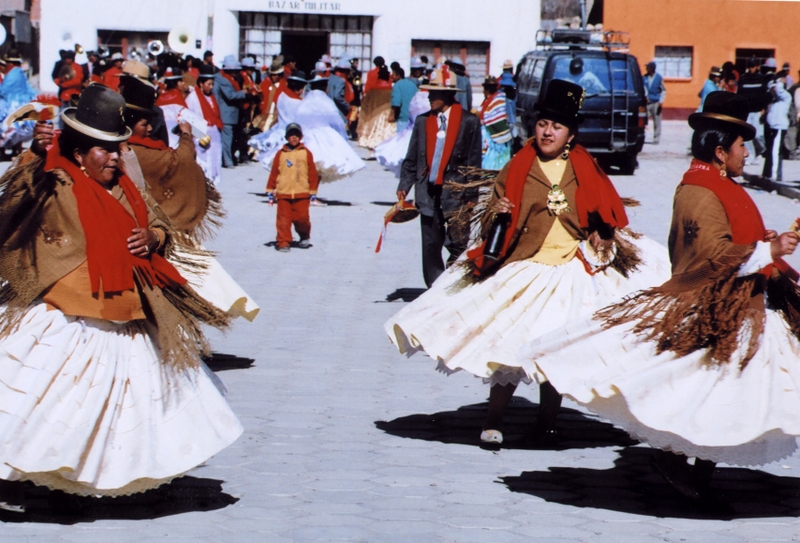
The slow-food movement has reached the sun-baked, Bolivian altiplano. Here, small-scale producers are making the most of scarce water supplies, ample sun and local expertise to grow food at the top of the world.
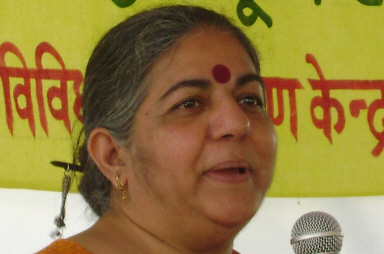
In the foothills of the Himalayan Mountains – in northern India – a very energetic woman has declared that seeds should also be free. We caught up with Vandana Shiva at her biodiversity farm north just outside Dehradun.
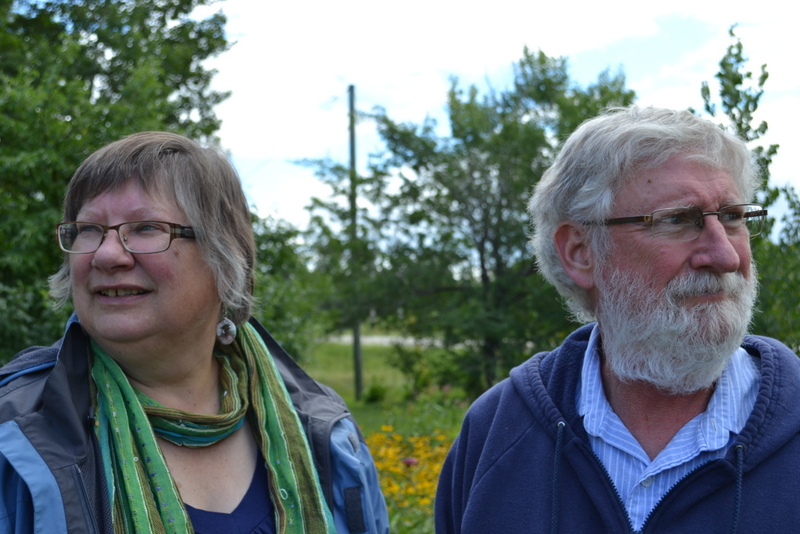
Who coined the phrase “Think globally, act locally” is a matter of dispute. Dinah Ceplis and Zack Gross certainly exemplify the philosophy in action.
Imagine what it would be like to have your home water supply morph into a fire hazard — the liquid flowing from your tap liable to explode if you light a match.
Looking back over a 42-year career in the Canadian trade union movement — from a Chrysler assembly line to the national presidency of the Canadian Autoworkers — what strikes Ken Lewenza the most?
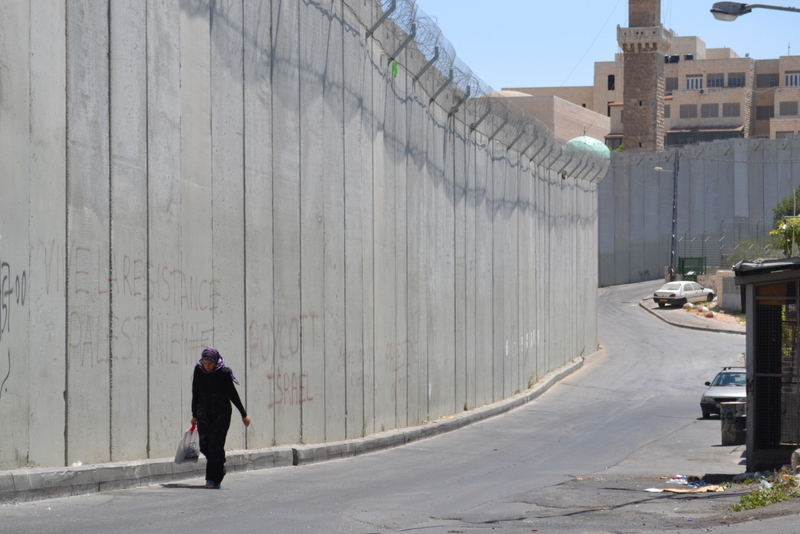
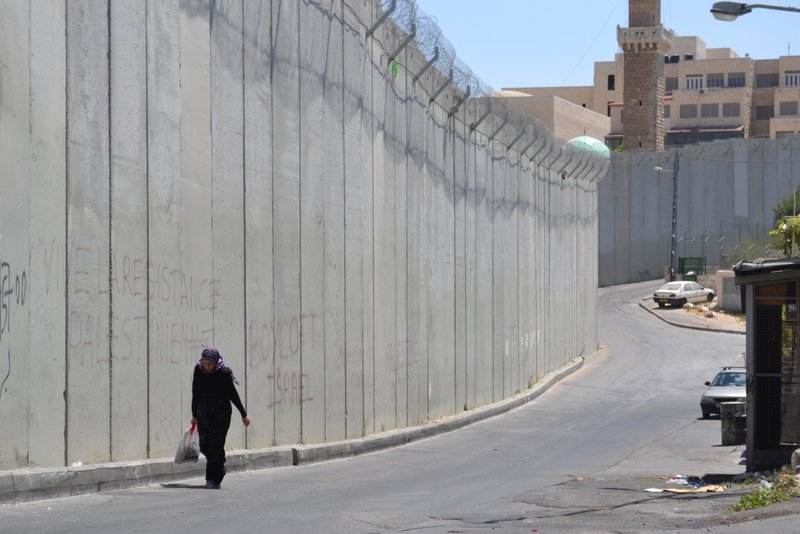
Israel’s “Separation Barrier” — some call it the “Apartheid Wall” — is one of those works of human ingenuity that has to be seen to be fully appreciated.
John K. Sampson’s poignant song about Winnipeg captures the cold anonymity of Prairie Canada’s capital on a grey dismal day. But there are as many reasons to love this town as to hate it. The Good Food Club is one.
Podcast: Play in new window | Download
Subscribe: RSS
Inka Milewski was a marine biologist, not a public health researcher or epidemiologist, when she received a phone call from worried residents of her community. She took up that call. Had no choice. It was something she had to do.
Podcast: Play in new window | Download
Subscribe: RSS
Midwives catch babies. The “mid” part of the word is derived from the German mit, or with. The French phrase for midwife is “sage femme,” or wise woman.
The Bay of Fundy, on the north shore of the Canadian province of Nova Scotia, is one of Earth’s great wonders. Listen to Matt Abbott, a Fundy Baykeeper.
Cerro Posokoni towers over the town of Huanuni, on the eastern slopes of the Andes, in the Bolivian department of Oruro, like an upside-down ice cream cone. Thousands of miners pick away at its entrails each day, among them children.
Saskatchewan’s Prairie School for Union Women has been building personal and leadership skills, and solidarity among women workers, for sixteen years.
In need of a hard-hitting enviro news fix? BC-based publication The Watershed Sentinel is your go-to source for cutting edge green news and trenchant analysis — from British Columbia and beyond.
When ten “tech” divers travel to Bikini Atoll for a week’s adventure in paradise, preparing to feast their eyes on the most famous collection of sunken nuclear warships in the world, the couldn’t guess what would happen next.
Follow a group of naturalists up New Brunswick’s Nashwaak River, from its mouth, across from the provincial legislature in Saint John, to its headwaters a hundred and fifty kilometers north, near a proposed tungsten-molybdenum mine.
In the summer of 2014, several hundred people gathered at a fracking “Day of Protest” in Kent County, between Moncton and Miramichi — Elsipogtog First Nations territory.
Winnipeg’s Social Enterprise Center builds community in the north end of Prairie Canada’s capital — from the inside out.
Tanzania was applauded for attaining its UN Millennium Development Goal on universal education four years in advance of the 2015 deadline it had set for itself. But in this rural east African nation, enormous challenges remain.
Podcast: Play in new window | Download
Subscribe: RSS
Universities are engines of higher learning – also of national development and prosperity. No one knows this better than Israel – home to some of the world’s most prestigious universities. Palestinian schools struggle under Israeli occupation.
Until recently, Rwandan farmers knew when the rains would come; when best to plant their crops. These days, with varying weather patterns attributed to climate change, more and more Rwandan farmers struggle to grow food.
In January 2013, former Nebraska Senator Chuck Hagel appeared before the U.S. Senate Armed Services Committee, charged with approving his nomination as Defense Secretary. Was he sufficiently committed to a foreign country — Israel? Listen to Hagel’s inquisition.
For those who speak and write non-Latin languages, being able to type on a ‘standard’ computer keyboard is a major barrier to digital democracy. In Cambodia, this problem has been solved and communities are going wireless.
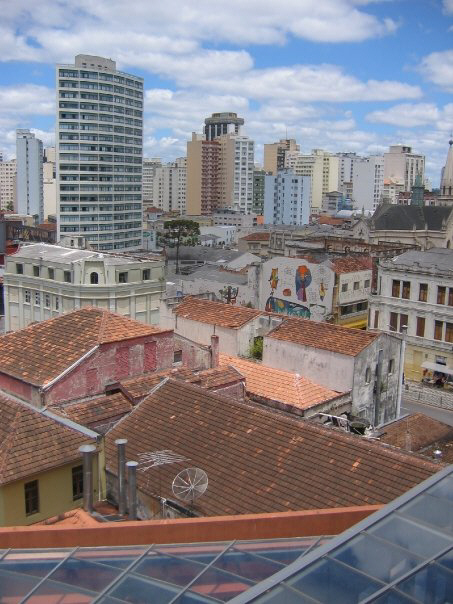
The city of Curitiba, in southern Brazil, is famous for innovation and rational development. It was one of the first cities to market itself as “green” in a 1980s advertising campaign. And it is.
When it comes to garbage, it’s a matter of perspective. One person’s trash is another person’s cash. Outside of Kigali, in the east African nation of Rwanda, villagers have figured out how to turn food waste into cooking fuel.
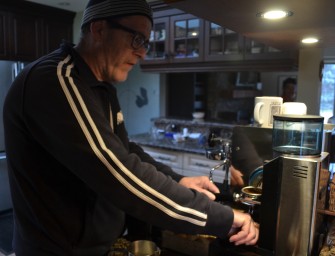
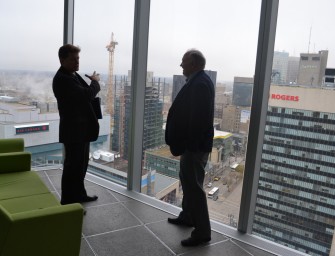
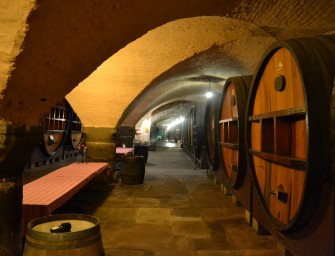
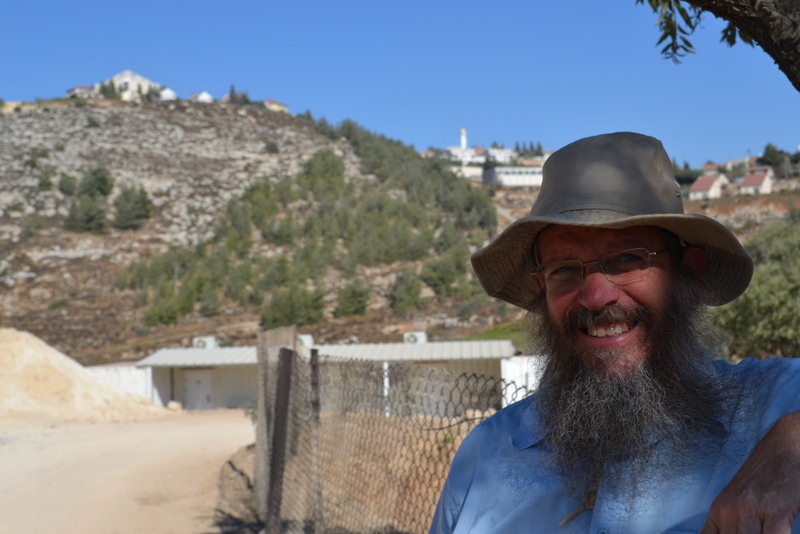
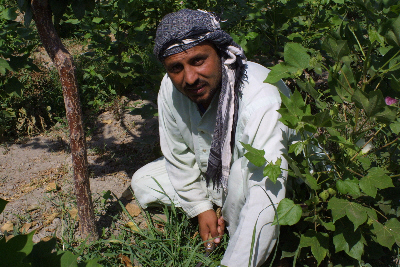
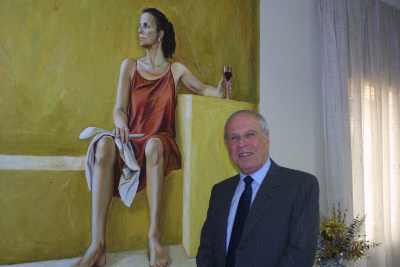
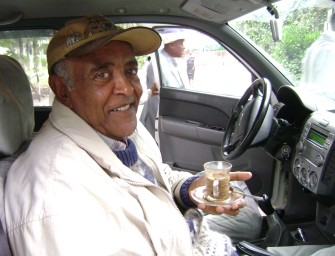
A few of the remarkable faces captured (along with audio) on last August/September’s trip to Palestine/Israel. Speaking with folks like these, it’s hard not to feel optimistic about the future of Israel as a nation of its citizens.
Food is wonderful. A delight to be eaten as well as to behold. At this festive time of year, feast your eyes on some of the tastiest foods and beverages Palestinians and Israelis have to offer.
Weekly peaceful protests in villages across the West Bank are routinely greeted by Israeli teargas, sewage water, concussion grenades, and the occasional burst of live rounds. The village of Bi’lin is one of these.
Hanan Ashrawi is a member of the Palestine Liberation Organization’s Executive Committee.
Podcast: Play in new window | Download
Subscribe: RSS
Amira Hass is a columnist for the left-center Israeli newspaper Ha’aretz. For over twenty years, her hard-hitting reports from the West Bank have shone a light on Israel’s occupation.
Podcast: Play in new window | Download
Subscribe: RSS
Jeff Halper, a native of Hibbing, Minnesota, is the founder of the Israeli Committee Against Home Demolitions.
Podcast: Play in new window | Download
Subscribe: RSS
According to Mahatma Gandhi, nothing poses more of a threat to an oppressive regime than well organized, non-violent resistance. Mubarak Awad — some call him the Palestinian Gandhi — is a case in point.
Podcast: Play in new window | Download
Subscribe: RSS
Mustafa Barghouti is a Palestinian politician and democracy activist. He and I sat down for an interview in August 2012 in his office on the outskirts of Ramallah.
Podcast: Play in new window | Download
Subscribe: RSS
The largest of Israel’s hundred or so checkpoints, Qualandia — between northern Jerusalem and the road to Ramallah — is a masterpiece in population engineering. Israeli Machsom Watch activists keep an eye on what happens there.
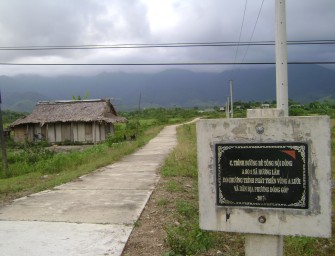
Thirty years have come and gone since the end of the American War – as the Vietnamese call it – and its toxic aftermath lingers on.
Podcast: Play in new window | Download
Subscribe: RSS
The next time you buy roses for your honey, consider this: The cut flowers in your Valentine’s bouquet were fumigated for insects and mildew, then drenched with preservatives for the long flight north.
Podcast: Play in new window | Download
Subscribe: RSS
When powerful corporations seek concessions in poor countries, communities rally around democratic institutions to defend their land and water.
Podcast: Play in new window | Download
Subscribe: RSS
For more than three decades, the Central Coffee Organization of Northwestern Peru has addressed gender inequity on the farm. Putting a dollar value on women’s work is what has made a difference.
Podcast: Play in new window | Download
Subscribe: RSS
Small farmers in the hills of Honduras are improving their lives through seed saving and on-farm experimentation. Jen Moore reports.
Podcast: Play in new window | Download
Subscribe: RSS
They’re scrubby, fierce with mosquitoes and impossible to walk through, but salt water mangroves are the guardians of Earth’s tropical coastlines and nurseries for her fish. They’re also threatened.
Podcast: Play in new window | Download
Subscribe: RSS
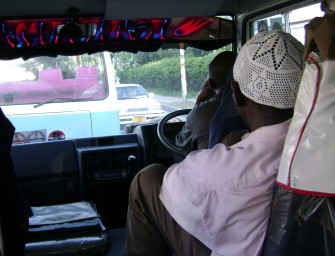
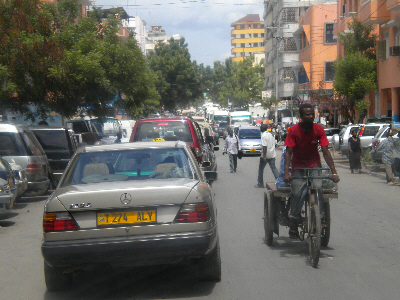
Dar es Salaam … City of Peace on Tanzania’s Indian Ocean coast. Driving a car into, out of or around the city, or commuting in one of the Tanzanian capital’s jam-packed dala-dalas, is anything but a peaceful enterprise.
Podcast: Play in new window | Download
Subscribe: RSS
Mumbai is the world’s third most populous city. This little neck of land dangling in the Arabian Sea is a Mecca for India’s corporate giants. But almost half of Mumbai’s eighteen million residents are poor and real estate moguls are squeezing them out.
Podcast: Play in new window | Download
Subscribe: RSS
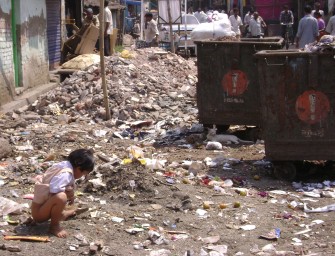
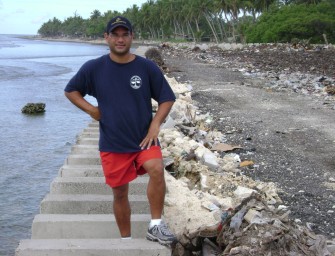
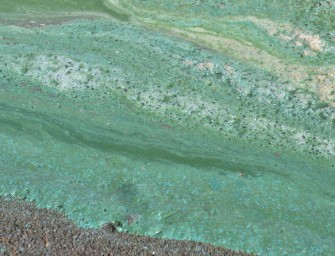
It’s easy to forget – living in the middle of a continent – that there are limits to the amount of dross we can toss. But when you’re living on an island, in the middle of the ocean, trash can get in your face
Podcast: Play in new window | Download
Subscribe: RSS
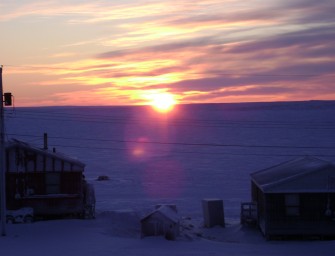
A dozen Cambridge Bay muskox hunters go hi-tech, courtesy of Nunavut’s Wildlife Management Board. It’s all part of monitoring study aimed at conserving tundra species for future generations.
For all the damage they’ve inflicted on their one and only home, many human beings reflect on where they’ve gone wrong, and the major changes they’ll have to embrace in order to survive. Here are a few voices we’ve managed to capture.
Judging from this latest voice transmission, it seems that human beings are poisoning themselves and their planet — transforming the very chemistry of their blue-green home.
A former senior justice official of Earth’s most powerful nation vents his rage at the war machine his country has become.
Podcast: Play in new window | Download
Subscribe: RSS
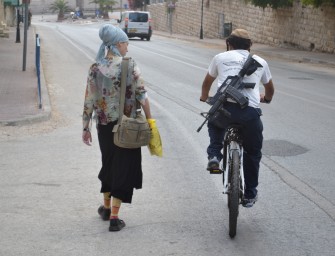
Jewish settlers in the Palestinian city of Hebron wear skull caps and carry Glock pistols. They have forcibly expanded their settlements, closed Palestinian shops, and expelled residents.
If there’s any hope for the human species, it draws sustenance from the collective wisdom of Planet Earth’s indigenous people. In their struggle, Earth’s future lies.
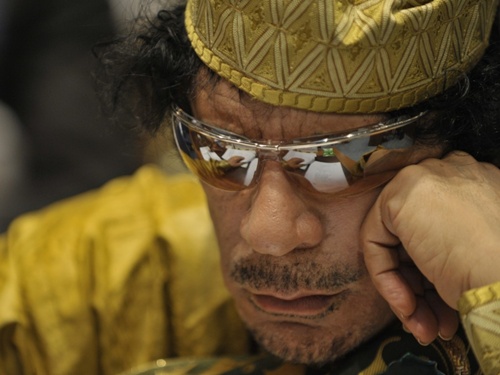
Some thoughts on Colonel Muammar Gadaffi. Under Gaddafi’s autocratic rule Libya improved greatly, especially for the poor and women, with a distribution of wealth hitherto unknown in any country on the continent. But he was a dictator.
Human beings discuss what Earth has in store for them … and the picture isn’t good …
Podcast: Play in new window | Download
Subscribe: RSS
Human beings can’t decide how exactly their planet came to be. They have plenty of imaginative ideas.
Podcast: Play in new window | Download
Subscribe: RSS
Astonishingly, the so-called ‘human’ species appropriates about twenty percent of its planet’s net productive capacity. Humanity’s insatiable consumptive thirst will have profound impact on the future development of life on Earth.
Podcast: Play in new window | Download
Subscribe: RSS
Earth’s land surfaces are crisscrossed by mountains of great beauty — objects of wonderment and veneration for some, and greed for others.
Podcast: Play in new window | Download
Subscribe: RSS
Human beings are deeply dependent on motorized machines to move themselves around. Trillions of these things now choke a vast and growing network of so-called “roads,” getting into deadly accidents and polluting the planet’s atmosphere.
Podcast: Play in new window | Download
Subscribe: RSS
In this final chapter in our series, Christine Hamilton and I head off to a fishing settlement called Lushonga, in search of a woman named Josie, who suffers from an advanced case of AIDS.
Podcast: Play in new window | Download
Subscribe: RSS
Human beings can’t decide whether to cherish trees or chop them down. This seems to be the take-away message in a tenth transmission we’ve just picked up from a far-off planet in crisis.
Found in a time capsule … A Clayoquot Sound forest activist reflects on civil disobedience and the lesson she learned from a black bear, and sings a revised version of Danny Boy.
Podcast: Play in new window | Download
Subscribe: RSS
One of Earth’s tens of millions of species has been mining colossal volumes of organic matter buried for ages, and burning the stuff for fuel — raising the surface temperature of their planet to a level higher than any time in the past.
Podcast: Play in new window | Download
Subscribe: RSS
A crowd of Winnipeggers gather to hear one of Israel’s most courageous and incisive journalists — Ha’aretz reporter/columnist Amira Hass.
Podcast: Play in new window | Download
Subscribe: RSS
The third in a series of voicescapes from a visit to Bumbire Island, in Southwest Lake Victoria, Tanzania … Dale Hamilton and I travel to nearby Kinagi Island to visit a big fishing camp.
Podcast: Play in new window | Download
Subscribe: RSS
Bumbire Island sits on the northern tip of a sliver of an archipelago in southwest Lake Victoria, in Tanzania, East Africa. Nature on and around Bumbire is gorgeous—but the hardscrabble fishing camps scattered along its shores—and those of nearby rocky islets—are a different story.
Podcast: Play in new window | Download
Subscribe: RSS
Earth is home to an astonishingly diverse array of creatures — as the voices in this captured transmission recount — but the planet appears to be in the midst of a huge crash.
Bumbire Island sits on the northern tip of a sliver of an archipelago in southwest Lake Victoria, Tanzania, East Africa. The landscape is gorgeous, but hardscrabble fishing camps tell a different story.
Podcast: Play in new window | Download
Subscribe: RSS
A former senior justice official of Earth’s most powerful nation vents his rage at the war machine his country has become.
Podcast: Play in new window | Download
Subscribe: RSS
Human beings love money, as this fifth captured transmission testifies.
Podcast: Play in new window | Download
Subscribe: RSS
Death and taxes are two things Earthlings say they can always count on. They face another cold truth – less predictable, but all-embracing, each and every day till they die: constant change.
Podcast: Play in new window | Download
Subscribe: RSS
In this third captured transmission from a planet in crisis, voices describe how life evolved here.
Little Rwanda will soon commemorate the twenty-second anniversary of the 1994 genocide. Between April 6 and early July 1994, an estimated 800,000 ethnic Tutsis and some tens of thousands of Hutus perished.
Recent cuts in government support for students is causing enormous dismay on Rwandan university campuses, and exposed cracks in the Kagame government’s post-genocide reconciliation efforts.
Podcast: Play in new window | Download
Subscribe: RSS
I had been pressing Marshall Islands conservationist Ben Chutaro to take me to Mili Atoll, to see the marine/nature conservancy he was setting up — but weather ended up not permitting. We went to Arno instead.
Podcast: Play in new window | Download
Subscribe: RSS
Amid growing concerns about how to survive on a paltry income, Rwandan teachers turn to a traditional practice, whereby groups of people communally contribute money to help one another out.
Podcast: Play in new window | Download
Subscribe: RSS
Young girls run and shout here at the Afghans4Tomorrow girl’s school, much as they do everywhere in the world. But the sight is unusual in Afghanistan because these girls wear school uniforms, not all-encompassing burkas.
Podcast: Play in new window | Download
Subscribe: RSS
Young gang violence is endemic in the Central American nations of Guatemala and El Salvador, and its tentacles have spread north. Some would say the process has worked in reverse fashion.
Podcast: Play in new window | Download
Subscribe: RSS
During South Africa’s Apartheid years, black families were routinely evicted from their land. Women and girls fared the worst. Sixteen years after the collapse of Apartheid, life in South Africa is as difficult as it’s ever been for women.
Podcast: Play in new window | Download
Subscribe: RSS
Agriculture is the backbone of Tanzania’s life and economy. Three quarters of her people are small-scale, peasant farmers. Policies that empower farmers — particularly women — need to be implemented.
Podcast: Play in new window | Download
Subscribe: RSS
Palestinian rap is only about a decade old, but it has spread throughout Israel, Palestine, and now to Lebanon. The rappers look to Tupac Shakur and the socially conscious rappers, and reject the gangsta image so popular in the west.
Podcast: Play in new window | Download
Subscribe: RSS
One night, Mariana dreamed that she was happy to go to work. Her supervisor greeted her and Mariana was delighted to find a comfortable ergonomic chair waiting for her in front of the machine that she operates. Then she woke up.
Podcast: Play in new window | Download
Subscribe: RSS
Water is one of Tanzania’s scarcest commodities. In the capital city of Dar es Salaam, about sixty percent of households don’t enjoy a reliable supply. The surest bet is a twenty-liter bucket of precious water for one dollar.
Podcast: Play in new window | Download
Subscribe: RSS
Almost a hundred thousand U.S. troops now serve in Afghanistan, but the insurgency continues and expands. GPM contributor Reese Erlich visited with a group of anti-war activists, including an American marine who had fought there.
Podcast: Play in new window | Download
Subscribe: RSS
Afghanistan produces ninety percent of the world’s heroin. The Canadian and U.S. governments admit the Taliban controls this drug trade.
Podcast: Play in new window | Download
Subscribe: RSS
In the West African village of Mapaki, education is being used to promote peace, after years of civil war.
Podcast: Play in new window | Download
Subscribe: RSS
In the 1950s, journalist Tom Patterson became convinced that Shakespeare could help revitalize his hometown of Stratford, Ontario. Today, Suchitoto, El Salvador hopes to do the same, in partnership with Stratford.
Podcast: Play in new window | Download
Subscribe: RSS
Lebanon’s Bekaa Valley has produced wine for over four thousand years. That tradition continues today, with Lebanon boasting some world-class reds. But vintners have had to deal with fundamentalists, civil war, and invading armies.
Podcast: Play in new window | Download
Subscribe: RSS
Ethiopia is renowned for the diversity of its seeds, with native resistance to drought, pests and climate change. Listen to 1989 Right Livelihood Award winner Melaku Worede talk about seed diversity in his homeland, Ethiopia.
Podcast: Play in new window | Download
Subscribe: RSS
Southern Lebanese farmers are in a bind. On the one hand, Israeli cluster bombs continue to pollute their fields. On the other hand, they’ve been abandoned by Lebanon’s political elite, who prefer to see Lebanon import its food.
Podcast: Play in new window | Download
Subscribe: RSS
It’s hard to imagine a development tool more powerful than a radio station. For the past few years, a little station called FADECO has been promoting rural development in the community of Karagwe, in northwest Tanzania.
Podcast: Play in new window | Download
Subscribe: RSS
By its very nature, water can only be successfully managed by consensus. When conflicts arise, smart solutions are often the exception. Nowhere are water conflicts more common than in the landlocked South American nation of Bolivia.
Podcast: Play in new window | Download
Subscribe: RSS
Poor farmers have always set off to the nearest big city in search of income. Opportunities are often a dream, and obstacles abound. Many forsake their most valuable asset – their own traditions.
Podcast: Play in new window | Download
Subscribe: RSS
What happens when a refugee camp turns into a permanent community? Buduburam — home to hundreds of Liberians — is one such human settlement in the Ghanean capital of Accra.
Podcast: Play in new window | Download
Subscribe: RSS
The development of rights for disabled people in industrialized countries is an encouraging trend – a sign of inclusiveness in this age of division and disparity. Imagine what it’s like to be a disabled person in a country like … Bolivia.
Podcast: Play in new window | Download
Subscribe: RSS
Victoria, B.C. native Kevin Neish set off to Gaza at the end of May on the Mavi Marmara — and almost made it. He recalls Israel’s hijacking and brutalization of the Mavi’s passengers.
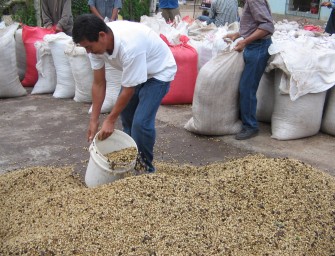
Here’s another dispatch from Victoria Fenner, who spent an action and learning-filled three weeks in Central America earlier in the year. It’s hard to visit Central America and not explore the world of coffee, so here we go.
If everyone on Earth earned what their labour was truly worth, global poverty would be less rampant. Paying people what their labour is worth is what the so-called Fair Trade movement is all about.
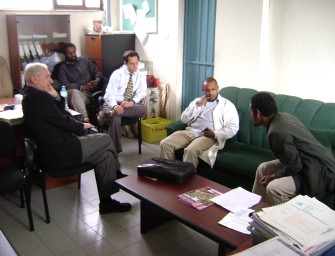
A joint training project between the Departments of Psychiatry at the Universities of Toronto and Addis Ababa are turning out some of Africa’s most skilled practitioners.
Podcast: Play in new window | Download
Subscribe: RSS
Of all the conflicts in Latin America, none was more brutal or costly in human lives than the forty-year civil war in Guatemala. Today, former rebels are presenting their perspective of the struggle–to tourists.
Podcast: Play in new window | Download
Subscribe: RSS
On the bottom of a mountain slope in Honduras, farming communities depend on fresh waters and are trying to keep them clean.
Podcast: Play in new window | Download
Subscribe: RSS
In the Tanzanian capital of Dar Es Salaam, a metropolis known for its astonishing traffic jams, urban planners are working on a new mass transit system that will hopefully make everyone’s lives and workday much more peaceful.
Podcast: Play in new window | Download
Subscribe: RSS
What if — during our teen years — we each had to write a sex advice column?
Three quarters of Earth’s surface is covered in water. Most of this vast mass of water is salty, a mere two percent fit to drink. You’d think we’d conserve what’s so scarce and valuable. It isn’t always so. Bolivians are trying hard.
Podcast: Play in new window | Download
Subscribe: RSS
Stuart Franklin is turning air miles into trees. Franklin — the founder of a carbon offsetting project in Ecuador — calculates how many seedlings he needs to plant to capture the carbon dioxide emitted by tourists jetting to the Galapagos Islands each year.
Israeli activist Jeff Halper came to Winnipeg at the end of January to speak about the current situation in Palestine-Israel, and about the work of the Israel Committee Against House Demolitions.
Podcast: Play in new window | Download
Subscribe: RSS
Palestinian farmers face a myriad of challenges. In the “West Bank,” Israel’s so-called “Security Barrier” has walled them off from their olive and vegetable groves. Farmers in Gaza are liable to be shot by soldiers manning Israel’s “security” perimeter.
Rwandans have grown rice, bananas, tea and coffee for generations. On one mountainside, villagers earn extra money processing their own coffee beans — thanks to a fellow Rwandan educated in Canada.
Once upon a time, the US was the world’s top emitter of carbon dioxide. The average American still emits more than the rest of us, but – sometime last year – China’s annual emissions surpassed the US’s. As the Chinese choke on fume-filled air, their leaders are turning to the wind.
Think about threatened waters and their wildlife … what comes to mind? Whales … declining codfish stocks … bleached coral reefs. In the U.S. Territory of Puerto Rico, tiny, luminescent creatures are taking it on the chin. Chemical and light pollution threaten to quench their bioluminescence.
To comprehend the obstacles that need to be overcome if peace and justice are to be achieved in the Middle East, one must spend time in the West Bank and Gaza, listening to Palestinians describe their hardships. The Israeli occupation is particularly egregious for youth, who — like Shakespeare’s Romeo and Juliet — feel seriously misunderstood.
Upbeat commentary on Lebanon’s Party of God is not something western media consumers are accustomed to. But American academic Judith Palmer Harik gives credit where credit is due.

Latest Comments
[…] US military nuclear testing site. At the time, residents were relocated to nearby Rongerik and Kwajalein atolls before arriving at Kili Island in […]